
Description
Glochidion zeylanicum is a robust evergreen tree or shrub belonging to the Phyllanthaceae family. Known for its adaptability, this species typically reaches a height of 10 to 15 meters in its native habitat. Its dense foliage and durable structure make it a significant component of tropical forest ecosystems and an interesting subject for agricultural research.
Originating from the tropical regions of South and Southeast Asia, including India and Sri Lanka, this plant thrives in warm, humid climates. It is highly valued in its native regions for its ability to colonize various types of landscapes, from dense forests to more open, disturbed areas, effectively contributing to soil stabilization and ecological restoration.
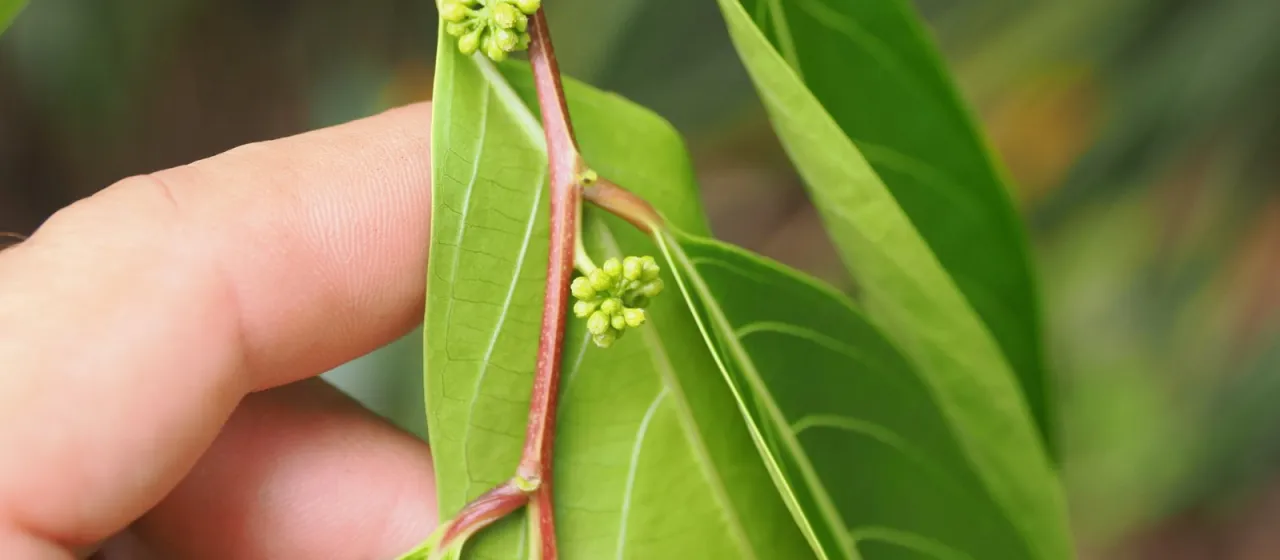
Botanically, the plant is characterized by its simple, alternate leaves and small, greenish-yellow flowers. The fruit is a distinctive flattened capsule that splits open to release seeds upon maturity. The root system is resilient, allowing the tree to penetrate various soil profiles, which is a critical trait for sustainable cultivation in diverse environmental conditions.
The agronomic management of Glochidion zeylanicum requires attention to initial irrigation and soil aeration. While the plant is generally hardy, seedlings should be protected from invasive weeds to ensure successful establishment. Proper spacing is essential to prevent overcrowding, which can reduce light availability and hinder the overall growth rate of the plantation.
Host use of the plant includes several practical applications:
- Utilization of wood for carpentry and fuel production.
- Application in ethnobotanical practices and traditional herbal medicine.
- Use in agroforestry as a buffer crop to prevent soil erosion.
- Support for local insect populations, enhancing the biodiversity of agricultural environments.
Management of pests and diseases is essential for maintaining plant health. Typical threats include leaf-eating insects and fungal pathogens that can develop under high-humidity conditions. Routine monitoring and the implementation of sound silvicultural practices, such as selective pruning, are recommended to preserve the vigor and productivity of the trees.