
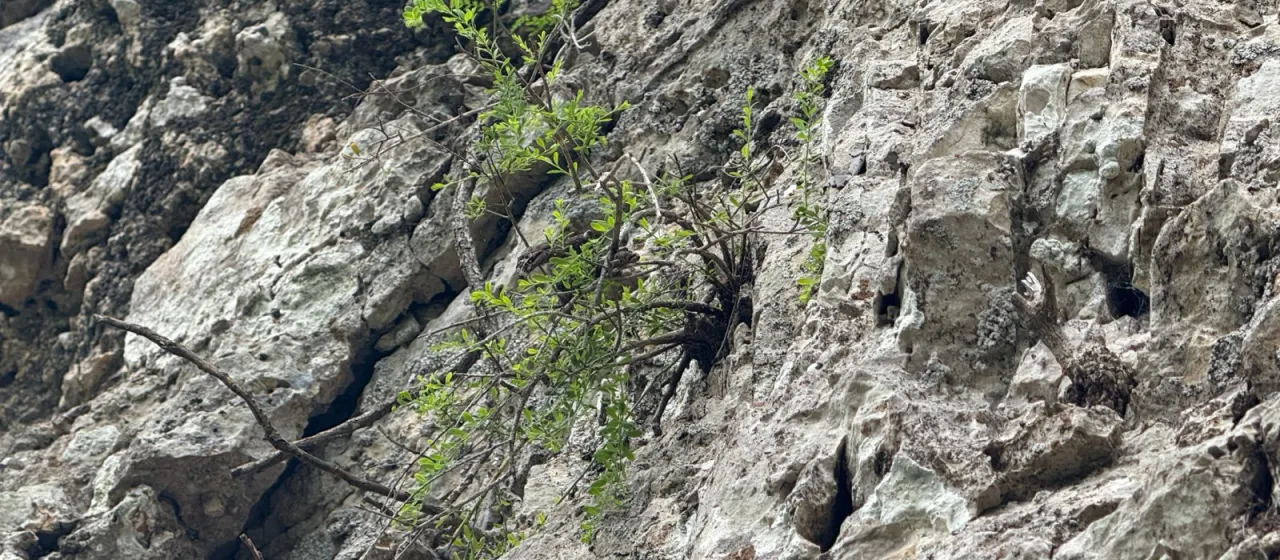
Description
Glossopetalon texense is a perennial shrub belonging to the Celastraceae family. Often recognized for its rugged appearance and resilience, this species is a specialist in surviving challenging environments where other plants struggle. It is highly valued in botanical circles for its unique adaptation to limestone-rich soils.
The plant originates from the arid regions of North America, specifically Texas. Its natural habitat includes rocky slopes and canyons, which dictates its preference for well-drained, nutrient-poor, yet mineral-rich environments. Its distribution is quite restricted, making it a specialized plant that requires specific site conditions to thrive.
Botanically, this shrub is characterized by its woody, dense structure and small, leathery leaves designed to minimize transpiration. The flowers are small, often featuring thin, delicate petals that give the genus its name. Its growth habit is typically slow, emphasizing resource conservation over rapid biomass production.
In terms of cultivation, the primary requirement for Glossopetalon texense is excellent drainage. It is essential to avoid heavy clay soils that retain moisture, as these can lead to fatal root rot. The plant thrives in full sun and is remarkably tolerant of high temperatures, requiring very little supplemental irrigation once established in a proper landscape setting.
Economically and horticulturally, this species is used primarily for xeriscaping and ecological restoration projects. While not a commercial agricultural crop in the traditional sense, its role in sustainable landscaping is significant. Common threats include root pathogens encouraged by poor soil aeration and occasional infestations of scale insects that may weaken the plant’s structural integrity.
- Excellent drought tolerance once established.
- Preference for alkaline and calcareous soils.
- High aesthetic value in rock garden landscapes.
- Very low maintenance requirements regarding fertilization.