
Description
Wild soybean (lat. Glycine soja) is an annual herbaceous plant belonging to the Fabaceae family. It is recognized globally as the direct wild ancestor of the domesticated soybean (Glycine max). Structurally, it is a climbing or prostrate vine capable of growing rapidly in favorable conditions, often utilizing nearby vegetation to reach sunlight.
The native range of Glycine soja is primarily located in East Asia, including the Russian Far East, China, Japan, and the Korean Peninsula. It thrives in diverse environments, from riverbanks and wetlands to sunny forest edges. It is highly adapted to local climate fluctuations, demonstrating resilience against both moisture extremes and temperature variations.
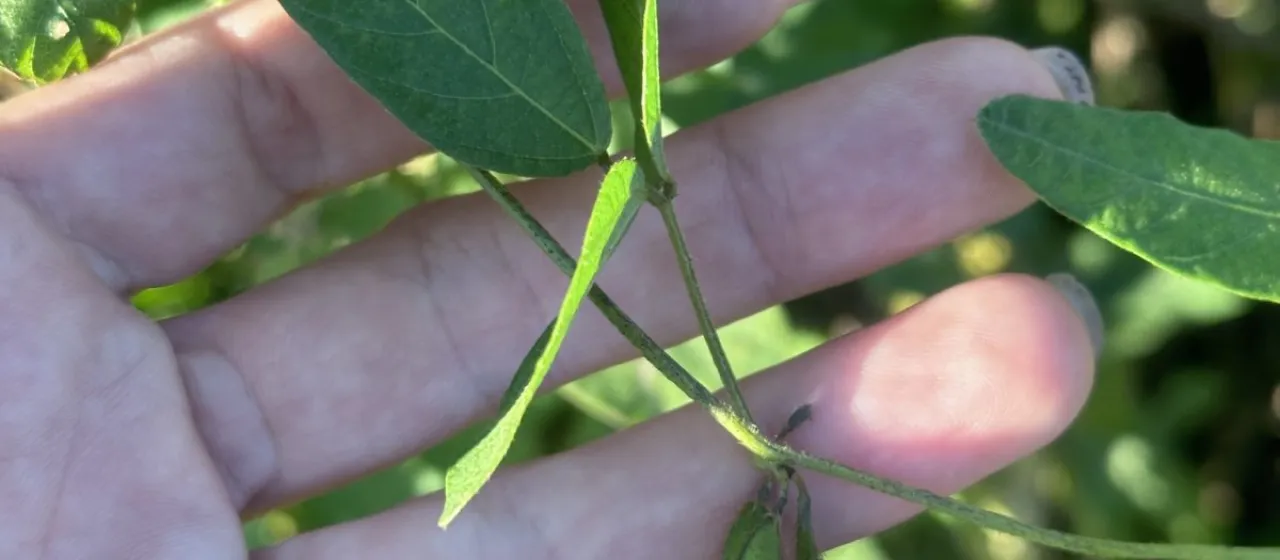
Botanically, this species is distinguished by its thin, pubescent stems, small trifoliate leaves, and relatively small, dark seeds. Unlike the domesticated variety, the pods of the wild soybean are prone to shattering, which is an evolutionary adaptation for seed dispersal. The plant produces numerous small flowers that are typically self-pollinating, ensuring survival in diverse environments.
From an agricultural standpoint, the wild soybean is an invaluable resource for modern breeding programs. It possesses a wide array of stress-tolerance genes, including resistance to drought, salinity, and various pests. Scientists actively utilize Glycine soja germplasm to transfer these traits into commercial soybean varieties, aiming to enhance yield stability and crop robustness.
Regarding its хозяйственное utility, it is generally not cultivated for food or industrial processing due to its low seed mass. However, it is vital for maintaining ecological balance and nitrogen fixation in wild habitats. Common threats include infestations by spider mites, bean beetles, and fungal infections such as downy mildew, which are continuously studied to protect broader soybean crops.