
Description
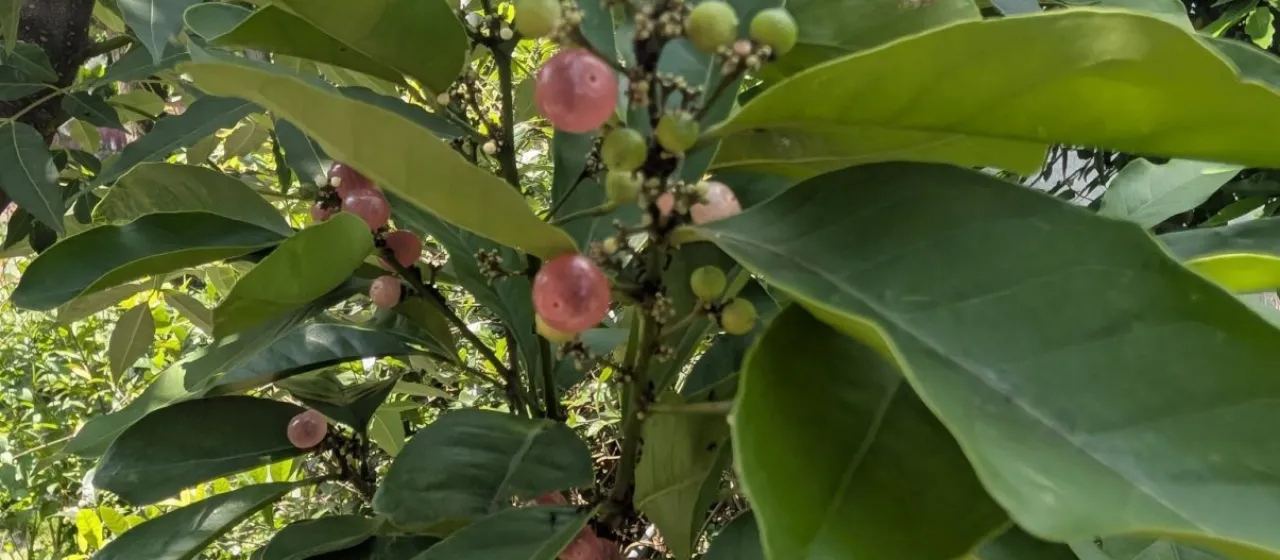
Glycosmis parviflora is an evergreen shrub belonging to the Rutaceae family. As a relative of the citrus genus, it exhibits similar botanical traits, such as aromatic foliage containing essential oils and distinct, glossy leaves that retain their color throughout the year.
The plant originates from the tropical regions of Southeast Asia, including parts of China and the Philippines. In its native habitat, it typically occupies the forest understory, thriving in humid, warm conditions with filtered sunlight rather than direct, harsh solar radiation.
Botanically, this species is recognized for its slow-growing habit, small white flowers arranged in axillary clusters, and edible berries. The fruit is translucent to pinkish at maturity, containing a sweet, mild pulp, which makes it an interesting addition for specialized plant collections.
Successful cultivation requires a well-draining, slightly acidic substrate rich in organic matter. Temperature management is crucial; the plant performs best in a stable environment ranging from 18 to 26 degrees Celsius. Overwatering should be avoided, as the root system is prone to decay if soil moisture remains excessive for prolonged periods.
The plant is primarily utilized for ornamental purposes in conservatories, greenhouses, and as a container-grown exotic plant. Disease management focuses on preventing fungal issues in high-humidity settings, while common pests include spider mites and scale insects, which are typically managed through regular inspections and appropriate horticultural soap treatments.