
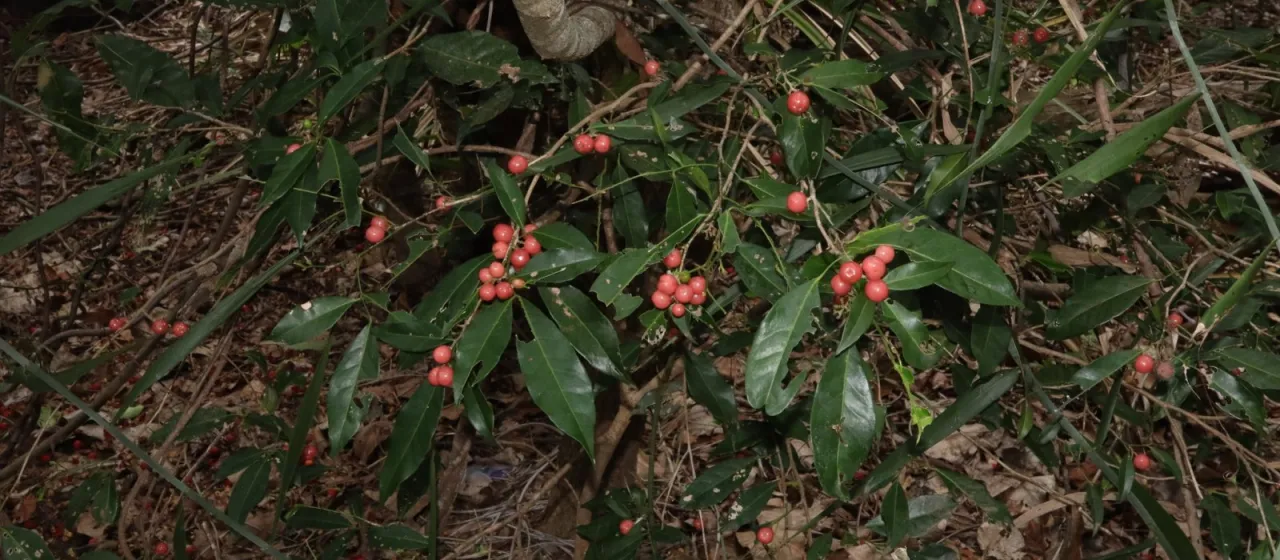
Description
Glycosmis trifoliata is an evergreen shrub or small tree belonging to the Rutaceae family. Closely related to citrus plants, it is native to the tropical and subtropical regions of Southeast Asia and Australia. It typically thrives in the understory of tropical forests, which indicates a preference for protected environments with moderate shade and high humidity levels.
The botanical characteristics of the species include trifoliate, leathery, and glossy leaves that contain aromatic oils. It produces small, fragrant white flowers arranged in panicles, followed by attractive small berries. The fruits are generally edible, with a sweet-acidic flavor profile, making the plant interesting for both ornamental and food production purposes.
Agrotechnical requirements focus on replicating its natural habitat. The plant requires well-draining, humus-rich soil and cannot tolerate waterlogging, which often leads to root rot. Ambient temperatures should remain consistently warm, as the plant is sensitive to cold snaps and frost. In a controlled environment, it performs best under bright, indirect light to prevent leaf scorch.
Economically, this crop is valued for its versatility. It serves as an ornamental specimen in tropical landscaping and conservatory collections. Furthermore, due to its medicinal potential and unique flavor of its fruits, there is growing interest in its cultivation for culinary and traditional herbal medicine uses, particularly in its native range.
- Maintain consistent soil moisture levels.
- Use balanced fertilizers during the peak growing season.
- Provide bright, filtered sunlight to encourage flowering.
- Prune periodically to maintain a compact canopy.
- Monitor closely for scale insects and mites.
Common plant health issues involve pest infestations, specifically by scale insects, mealybugs, and spider mites, which are typical for members of the Rutaceae family. Pathological conditions often stem from improper watering regimes or poor air circulation. Implementing integrated pest management strategies, such as biological controls and regular leaf inspections, is essential for maintaining crop health and productivity.