
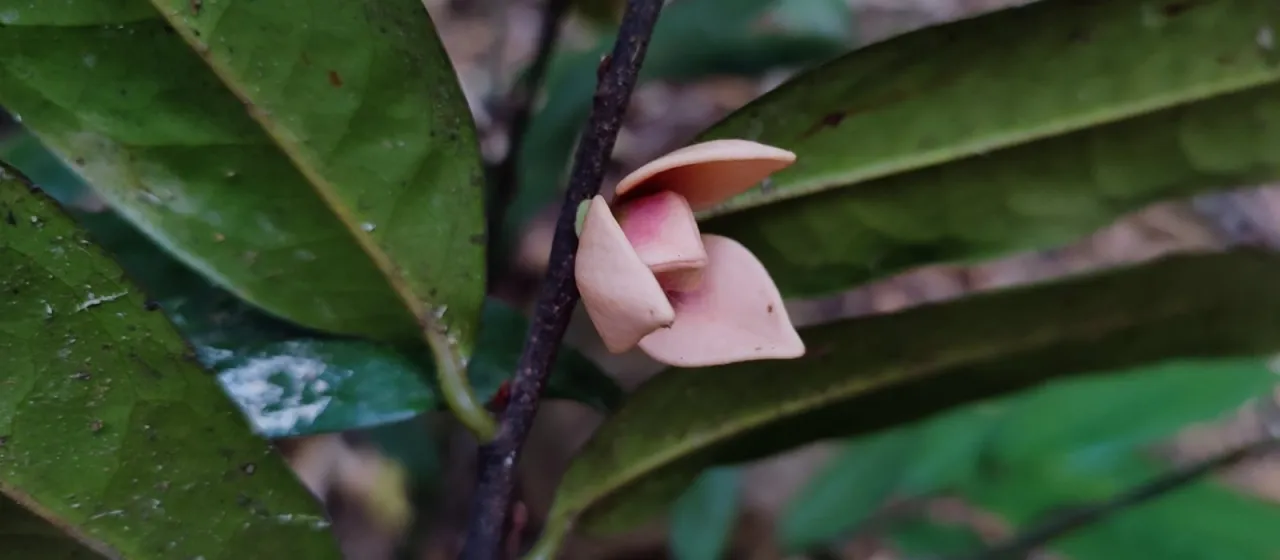
Description
Goniothalamus wightii is a rare tropical plant species belonging to the Annonaceae family. Known for its specific ecological niche, this evergreen shrub serves as a significant subject for botanical research. While not a commercial crop in the traditional sense, its unique biological profile makes it an interesting candidate for conservation and laboratory-based medicinal studies.
The plant originates from the evergreen forests of the Western Ghats in India. It is highly adapted to humid tropical environments where rainfall is abundant throughout the year. Its native habitat provides a stable microclimate, which is crucial for the survival of this species, as it lacks mechanisms to withstand prolonged droughts or extreme cold.
Botanically, the plant is characterized by its glossy, lanceolate leaves and pendulous flowers, which are typical for the genus Goniothalamus. The fruits are multiple-seeded, and the seeds require high moisture levels for germination, as they lose viability rapidly if dried. The root system is delicate and prefers well-draining, nutrient-dense acidic soils found in forest floors.
Agricultural techniques for this species focus on replicating its natural understory environment. Growers must ensure high humidity levels, diffused light, and stable temperature control. The use of a lightweight, organic-rich soil mix is essential to prevent root rot, which is the most common cause of failure in the cultivation of this species.
- Ideal light: Partial shade or filtered sunlight.
- Moisture: Consistent watering with high ambient humidity.
- Soil pH: Slightly acidic, well-draining potting medium.
- Temperature: Keep above 20°C throughout the year.
Economically, the plant is valued for its potential in pharmaceutical research due to the presence of acetogenins and alkaloids. These compounds are investigated for their antibacterial and antifungal properties. In terms of health, the plant is susceptible to common greenhouse pests such as spider mites and scale insects, which must be managed through integrated pest control methods rather than aggressive chemicals.