
Description
Guaiacum officinale, commonly known as Lignum Vitae, is a slow-growing evergreen tree belonging to the Zygophyllaceae family. It is world-renowned for producing one of the hardest and densest woods known to man, which is naturally resinous and resistant to decay. This species serves as a symbol of resilience and biological longevity in tropical ecosystems.
The tree is native to the Caribbean region and the northern coast of South America. Its cultivation is strictly limited to tropical climates that offer consistent warmth throughout the year. It thrives in well-drained, alkaline, and sandy soils, reflecting its evolutionary adaptation to the coastal environments of its indigenous range.
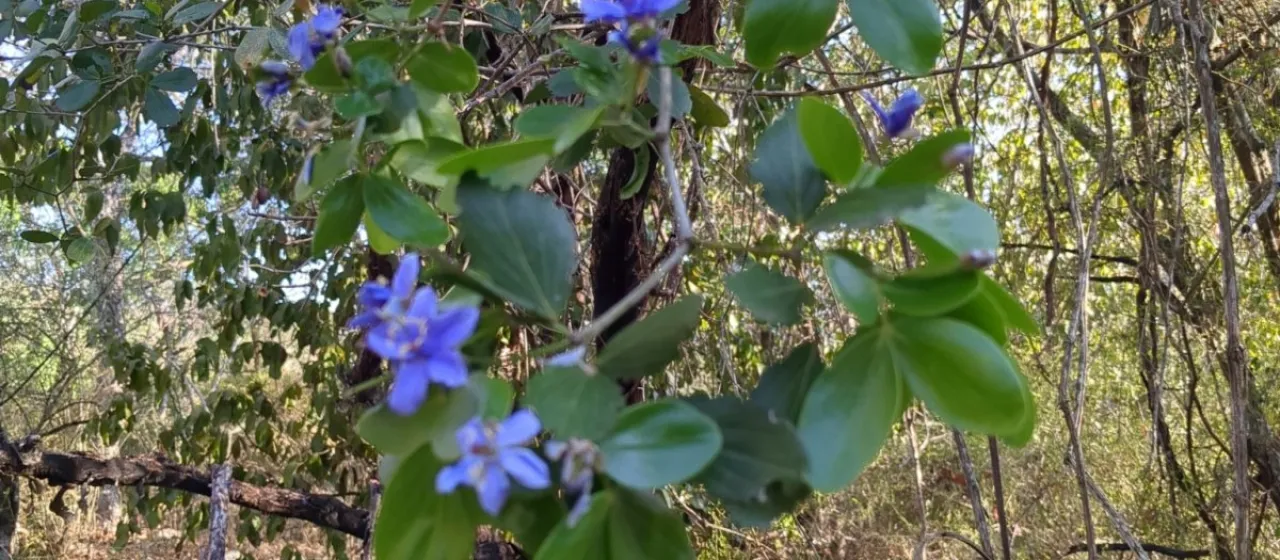
Botanically, the plant features small, bright blue to purple flowers that appear in clusters or singly at the leaf axils. The leaves are pinnate, leathery, and dark green. Its fruit is a fleshy, orange-yellow capsule containing seeds, which requires specific environmental triggers for germination under plantation conditions.
Regarding agrotechnology, Guaiacum officinale requires full sun exposure and minimal irrigation once established. Due to its slow growth rate, intensive care is usually limited to the seedling stage, where weed control and protection against excessive soil moisture are critical. Fertilization should be kept to a minimum to maintain the slow accumulation of woody mass.
The wood has historically been used in maritime engineering for propeller shaft bearings and other high-friction components. Medicinally, the heartwood and resin are prized for their anti-inflammatory properties. Typical issues in cultivation include:
- Root rot from poor soil drainage.
- Infestations of boring insects.
- Competition from faster-growing invasive vegetation.