
Description
Southern guatteria (Guatteria australis) is an evergreen tree species belonging to the Annonaceae family. Known for its aesthetic appeal and structural timber, this species is native to specific tropical and subtropical regions of South America. It is an important component of forest ecosystems, often serving as a niche resource for local communities interested in sustainable forestry and agroforestry practices.
The plant's natural distribution is centered in countries such as Brazil, Argentina, and Paraguay. It thrives in humid tropical forest climates, typically occurring in areas with consistent rainfall and high ambient temperatures. The species is highly sensitive to cold, which restricts its cultivation range to tropical and frost-free subtropical environments, where it grows optimally in well-protected, sheltered sites.
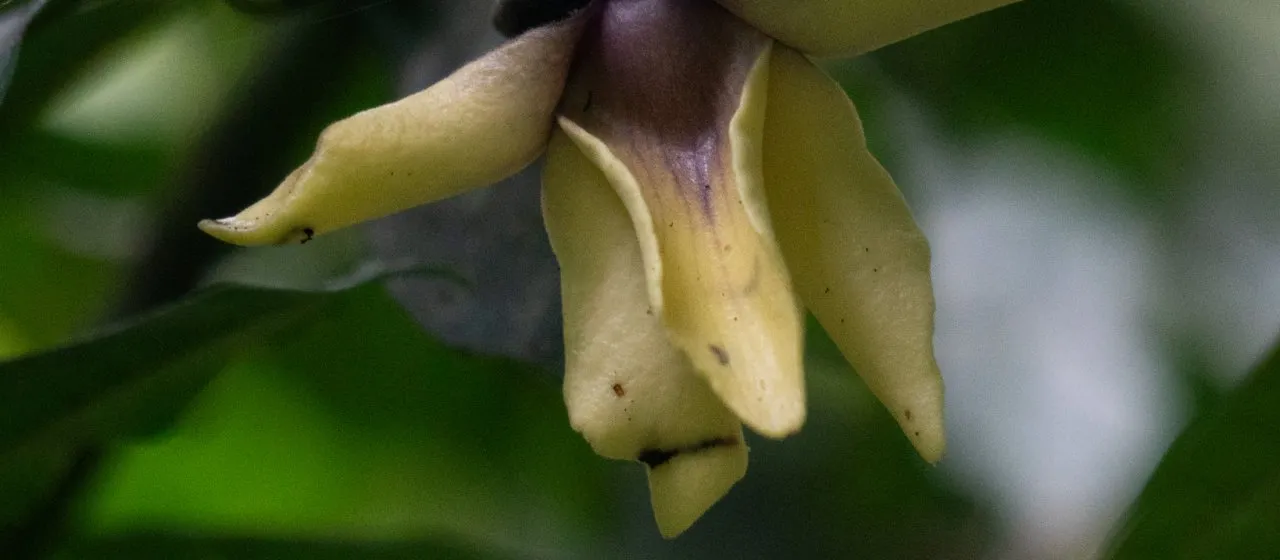
Botanically, Guatteria australis is characterized by a straight, slender trunk and a dense canopy covered in leathery, deep green leaves. The leaves are typically lanceolate and smooth, contributing to the tree's resilience. The flowers are relatively simple, often appearing in yellow or greenish tones, and play a crucial role in the reproductive cycle, attracting diverse insect pollinators native to its habitat.
Regarding soil and agrotechnology, the culture requires fertile, well-draining soils with a neutral to slightly acidic pH level. In an agricultural setting, the focus is on maintaining soil organic matter and moisture balance. The following management practices are generally recommended:
- Establishing shelterbelts to protect young saplings from strong winds.
- Applying regular organic mulching to prevent moisture loss from the soil surface.
- Periodic monitoring of soil nutrient levels to ensure consistent vegetative development.
The primary utility of Southern guatteria lies in its utility as a timber-producing tree, favored for its durability and flexibility in local construction and craftsmanship. In terms of health management, growers must monitor for common pests such as scale insects and aphids, which can affect foliage vigor. Furthermore, preventive measures against leaf spot fungi, often caused by poor aeration or prolonged moisture stagnation, are essential for maintaining the overall vitality of the plantation.