
Description
Guatteria caribaea is an evergreen tree species belonging to the Annonaceae family. As a distinct member of the tropical rainforest vegetation, this plant is recognized for its slender, upright growth habit and its ecological importance within its native habitat, serving as a primary component of tropical woody biomass.
The native range of this species is centered primarily in the Caribbean region and parts of Central and South America. It thrives in humid tropical forest environments, typically found in low-to-mid elevation zones where the humidity remains consistently high throughout the year and the forest canopy provides dappled shade.
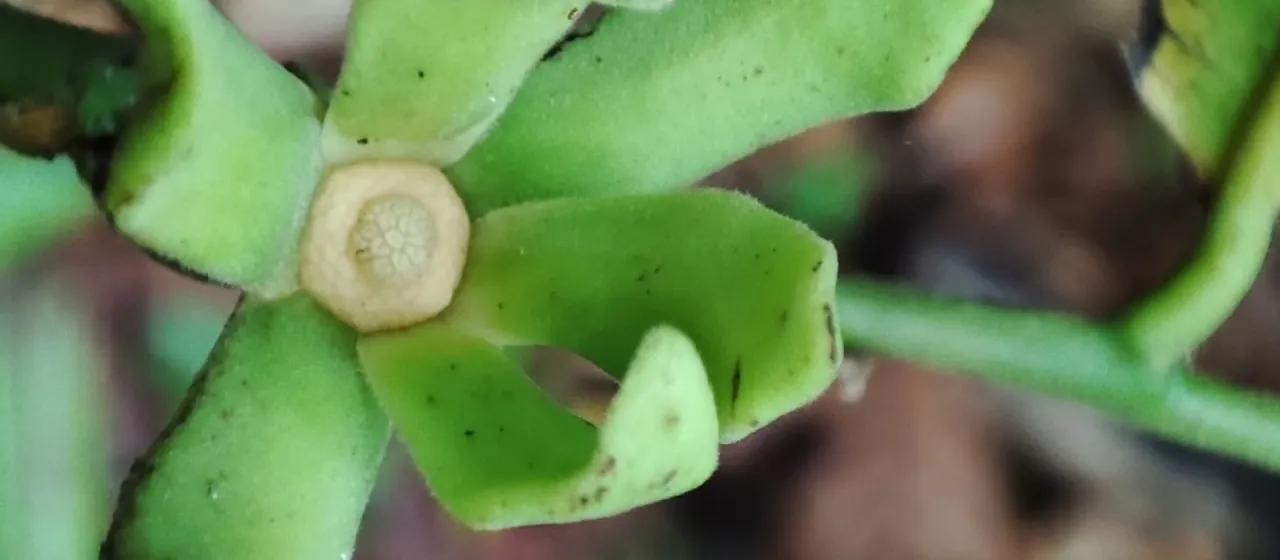
Botanically, the plant is characterized by leathery leaves and a smooth trunk structure. Its flowers are known for their distinct fragrance, which is a common trait among members of the Annonaceae family, while the fleshy fruits are critical for local wildlife dispersal. The root system is generally fibrous and requires significant soil volume to support the tree's slow but steady vertical growth.
Cultivation of Guatteria caribaea requires strict adherence to environmental conditions resembling its natural niche. It prefers deep, nutrient-rich soils with excellent internal drainage to prevent root hypoxia. While the plant can tolerate some variation in light, it is best suited for environments with high humidity and protection from direct, desiccating winds that could damage its foliage.
In terms of economic utility, the tree is primarily harvested for its timber, which is utilized in local carpentry and structural applications. The management of this species is often focused on sustainable forestry practices. Common challenges for growers include:
- Fungal pathogens triggered by stagnant air or excessive humidity.
- Infestations by wood-boring insects.
- Nutrient deficiencies leading to chlorosis in improper soil pH levels.