Guzmania conifera
Guzmania conifera (André) André ex Mez
Description
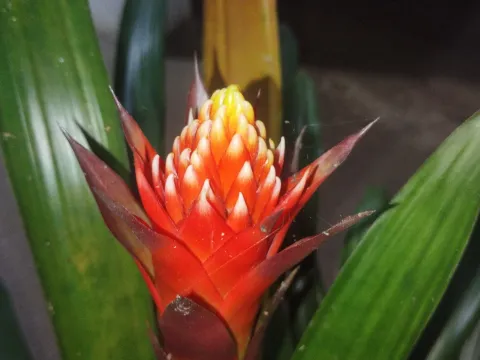
Guzmania conifera is a distinct member of the Bromeliaceae family, known for its architecturally impressive inflorescence. This epiphytic species originates from the humid tropical forests of South America, specifically inhabiting the mountainous regions of Peru and Ecuador, where it grows attached to trees or rock crevices.
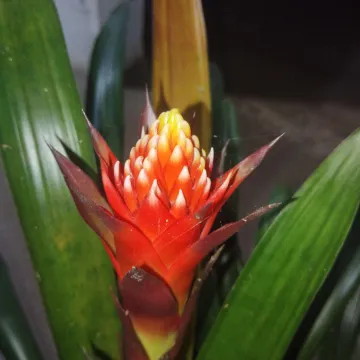
The plant is characterized by a dense rosette of leathery, arching leaves that store water and nutrients. Its most notable feature is the tall, stiff flower spike crowned with a dense, cone-shaped head of bright bracts, which provides a long-lasting ornamental display in indoor environments or specialized conservatory collections.
Cultivation requires specific environmental parameters to mimic the plant's native habitat. High humidity (ideally above 60%) and consistent temperatures ranging between 20°C and 25°C are essential. Unlike terrestrial plants, this bromeliad thrives with bright, filtered light; direct intense sun can quickly damage its foliage.
For optimal growth, use a well-draining, acidic growing medium, such as a mix consisting of orchid bark, perlite, and peat moss. The plant has a unique irrigation requirement: water should be poured directly into the central cup of the leaf rosette, ensuring it is replaced regularly to prevent stagnation and the growth of harmful bacteria.
Regarding pest management, typical bromeliad pests such as mealybugs, scale insects, and spider mites can pose significant threats. Preventive care includes maintaining high air circulation and inspecting the leaf bases frequently. If an infestation occurs, gentle cleaning with a mild insecticidal soap is usually effective.
Photo gallery