
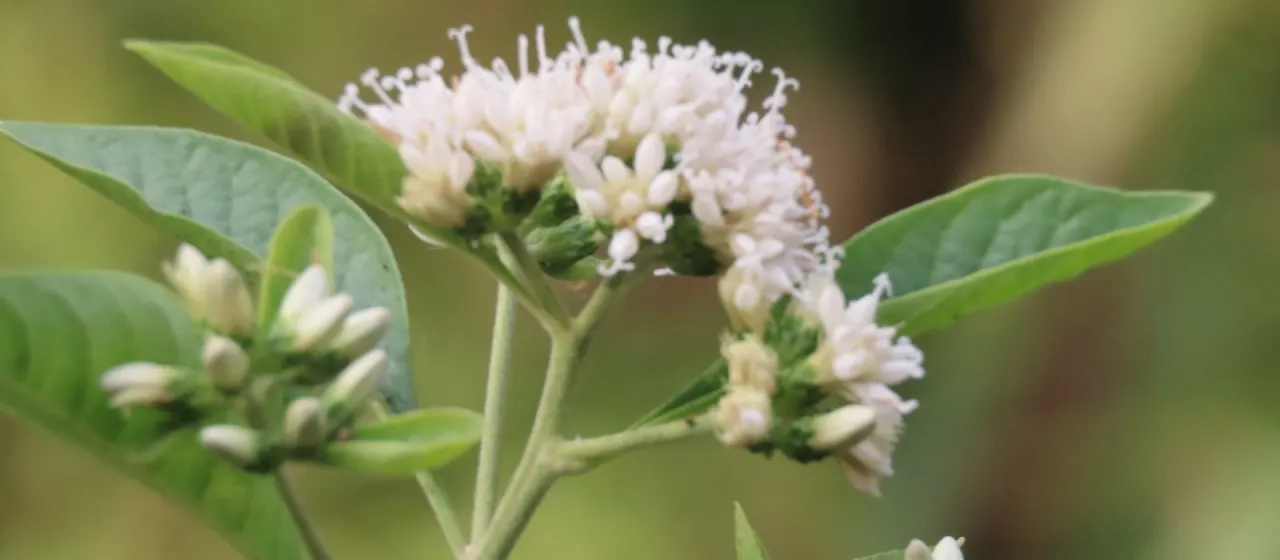
Description
Bitter leaf (Gymnanthemum amygdalinum), formerly classified within the genus Vernonia, is a perennial shrub belonging to the Asteraceae family. This plant is a cornerstone of African traditional agriculture, valued both for its nutritional properties and its significant role in folk medicine across tropical regions.
Originating from tropical Africa, the plant is widely distributed throughout the continent. It thrives in diverse environments, ranging from coastal areas to high-altitude regions. Its resilience and ability to grow in various soil types have made it a staple crop for both subsistence farmers and small-scale commercial producers who supply local markets with its nutrient-dense leaves.
Botanically, it is a robust shrub that can grow up to 5 meters in height. The leaves are simple, dark green, and possess a distinct bitter taste due to the presence of secondary metabolites, including sesquiterpene lactones and saponins. These compounds are responsible for the plant's potent biological activity and characteristic culinary profile, which is highly appreciated in regional cuisines.
Cultivation of this crop requires a warm climate and adequate moisture for optimal growth. It grows best in well-drained loamy soils rich in organic matter. Agricultural management includes propagation through stem cuttings or seeds, regular weeding, and consistent pruning. Pruning is essential not only for harvesting but also to maintain the plant's health and encourage a bushy habit that produces more tender leaves.
The economic and practical utility of the plant is vast:
- Culinary: Used as a leafy vegetable in soups and traditional dishes.
- Medicinal: Utilized for its anti-malarial, antimicrobial, and blood-sugar-regulating properties.
- Agricultural: Used as a natural anthelmintic for livestock and as a sustainable crop for soil management.
- Environmental: Serves as a windbreak and helps in soil conservation in erosion-prone areas.
In terms of plant protection, the crop is susceptible to infestation by aphids, leaf miners, and grasshoppers, which can significantly damage leaf tissue. Diseases such as leaf blight and root rot can occur, especially in waterlogged soils. Integrating organic pest control methods and maintaining optimal plant spacing are recommended strategies to minimize losses and ensure a productive harvest throughout the year.