
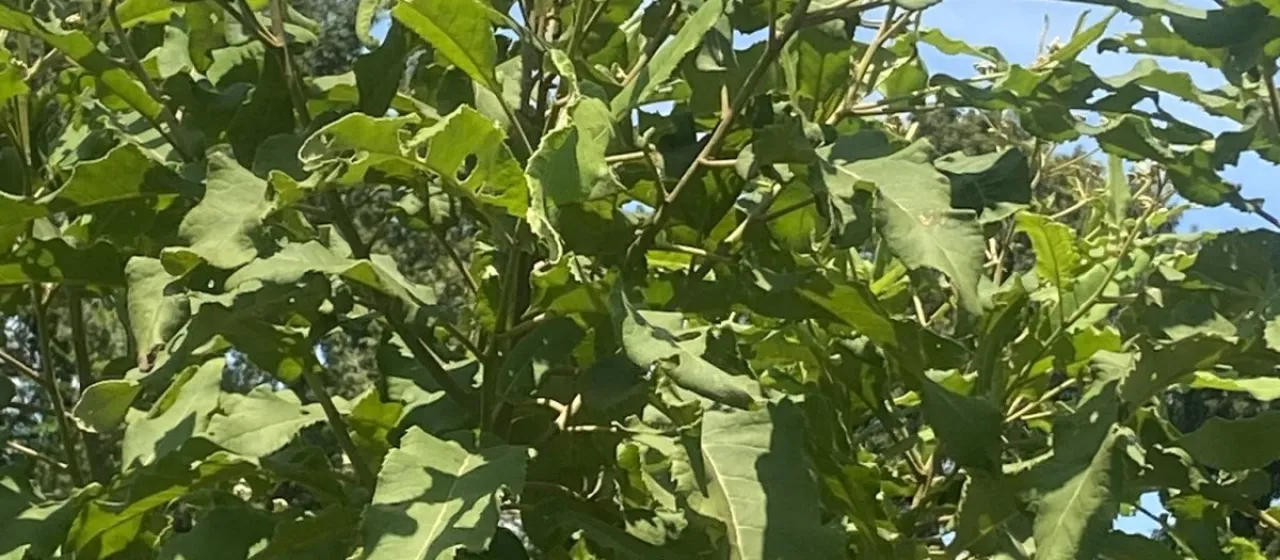
Description
Gymnanthemum myrianthum is a woody plant species belonging to the Asteraceae family. Often associated with the genus Vernonia in older literature, it is now classified within the genus Gymnanthemum. This perennial plant typically exhibits a shrubby or small tree growth habit, recognized for its complex chemical profile and its ecological significance in tropical habitats.
The species originates from tropical Africa, primarily inhabiting the savannahs and transition zones of the eastern and southern parts of the continent. Its cultivation is restricted to frost-free tropical or subtropical climates, as the plant is highly sensitive to cold temperatures. Optimal growth is achieved in environments that provide consistent solar radiation and moderate rainfall patterns throughout the growing season.
Botanically, Gymnanthemum myrianthum is characterized by its dense foliage and corymbose inflorescences consisting of numerous small florets. The leaves are typically elliptic to lanceolate and possess specialized surface hairs that help mitigate transpiration stress. These morphological features are key adaptations that allow the plant to thrive in competitive tropical ecosystems.
Agronomic requirements include well-drained, nutrient-rich soils with a slightly acidic to neutral pH level. In professional cultivation, effective irrigation management is paramount, as the root system is highly susceptible to rot if water stagnation occurs. Proper pruning techniques are recommended to encourage lateral growth, which maximizes the yield of harvestable biomass or floral parts.
The primary agricultural and industrial application of this plant lies in the production of botanical extracts for the pharmaceutical and cosmetic industries. Research into its chemical constituents, including sesquiterpene lactones, has highlighted its potential for anti-inflammatory and antiseptic applications. Furthermore, the plant is studied for its ability to produce natural compounds that deter common agricultural pests.
- Requirement for full sunlight to ensure optimal chemical synthesis.
- Importance of regular pruning to maintain plant health and biomass quality.
- Resistance to various pests due to unique secondary metabolite production.
- Suitability for sustainable cultivation in tropical agroforestry systems.