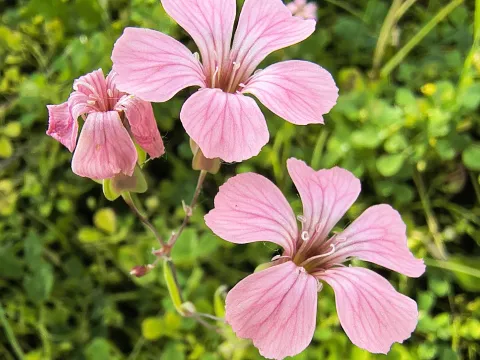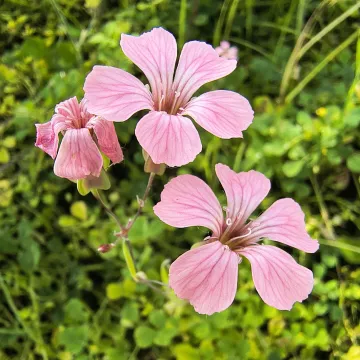
Cow soapwort
Gypsophila vaccaria (L.) Sm.
Description
Cow soapwort (Vaccaria hispanica, also known as Gypsophila vaccaria) is an annual herb belonging to the Caryophyllaceae family. While often categorized as an agricultural weed, it is increasingly studied for its high saponin content and potential as a specialized industrial crop.
The plant originates from the Mediterranean basin and Western Asia but has become naturalized in many temperate regions globally. It is highly adaptable, often found in cereal fields, meadows, and disturbed lands, thriving in environments where other crops might struggle due to limited irrigation.
Botanically, it is characterized by an erect, branching stem reaching heights of 60 to 80 centimeters. The leaves are opposite and lanceolate, with a glaucous coating. It produces distinct pink flowers that attract pollinators, and its root system is efficient at nutrient uptake in varied soil profiles.
Cultivation requires well-drained, fertile soil with a neutral to alkaline pH. The crop prefers full sun exposure and is remarkably drought-tolerant once established. Agronomic practices should focus on weed control during the seedling stage and ensuring adequate spacing to prevent excessive humidity, which can lead to fungal infections.
Regarding its utility, the plant is primarily harvested for its high concentration of triterpenoid saponins, used in the production of natural detergents and pharmaceutical preparations. The seeds contain fatty oils that are being researched for industrial applications. Farmers should monitor for common pests like aphids and root rot pathogens to maintain high yields in commercial production.
Photo gallery