Olive-leaved hakea
Hakea oleifolia
Description
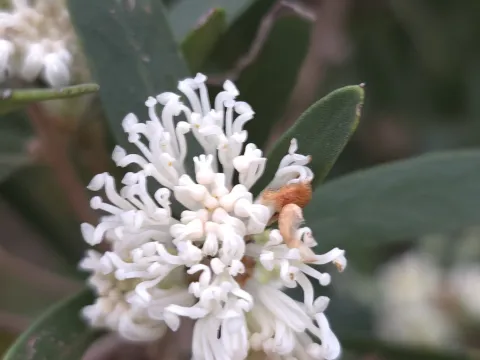
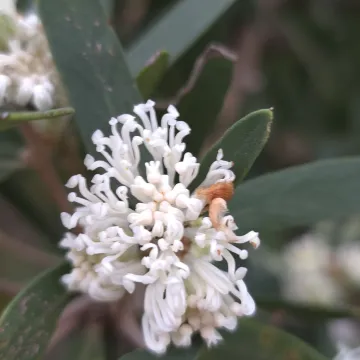
The olive-leaved hakea (Hakea oleifolia) is a perennial evergreen shrub or small tree belonging to the Proteaceae family. Native to the southwestern regions of Australia, it is well-regarded for its adaptability to harsh environmental conditions and its distinct aesthetic appeal, which closely resembles the foliage of the common olive tree.
Botanically, Hakea oleifolia is characterized by its leathery leaves and specialized flowers typical of the Protea family. Like many plants originating from the Australian bush, it has evolved to thrive in nutrient-poor soils. Its root system is highly efficient at scavenging for water and nutrients, which contributes to the plant's remarkable drought tolerance once it is well-established in its permanent location.
Climatic and soil requirements for this species are specific. It demands well-drained soil, preferably sandy or rocky, to prevent root rot, which is the most common cause of failure in cultivation. It thrives in full sun, which promotes dense growth and healthy foliage. While it can withstand occasional dry periods, young plants require supplemental irrigation until their root systems are fully developed.
A vital aspect of its agrotechnology is the sensitivity to phosphorus. Members of the Proteaceae family often struggle to process standard fertilizers; therefore, it is essential to use low-phosphorus fertilizers or specialized plant feeds formulated for native Australian species to avoid chemical toxicity. Proper pruning can also help maintain the desired structure of the plant.
In terms of practical use, Hakea oleifolia is primarily utilized in ornamental horticulture and as a component in windbreak hedges. Because of its resilience and low maintenance requirements, it is an excellent candidate for xeriscaping in regions with Mediterranean climates. It serves as a valuable resource for local biodiversity, attracting native birds and pollinators with its unique floral displays.
- Requires excellent soil drainage.
- Sensitive to phosphorus-based fertilizers.
- High tolerance for drought conditions.
- Thrives in full sunlight exposure.
Photo gallery