
Description
Haplopteris flexuosa is a member of the Pteridaceae family, belonging to the group of epiphytic ferns. The plant is characterized by a unique morphology, where its fronds exhibit a narrow, ribbon-like shape, providing it with a highly distinct and ornamental appearance. In horticulture, this species is prized for its structural originality and ability to adapt to specific indoor conditions.
The native habitat of this fern consists of the humid tropical forests of Asia. In its natural environment, it grows on the trunks and branches of trees, utilizing them as a substrate for anchorage. The cultivation range for this plant as an ornamental crop covers botanical collections and private greenhouses worldwide, where microclimates closely mimicking tropical conditions are maintained.
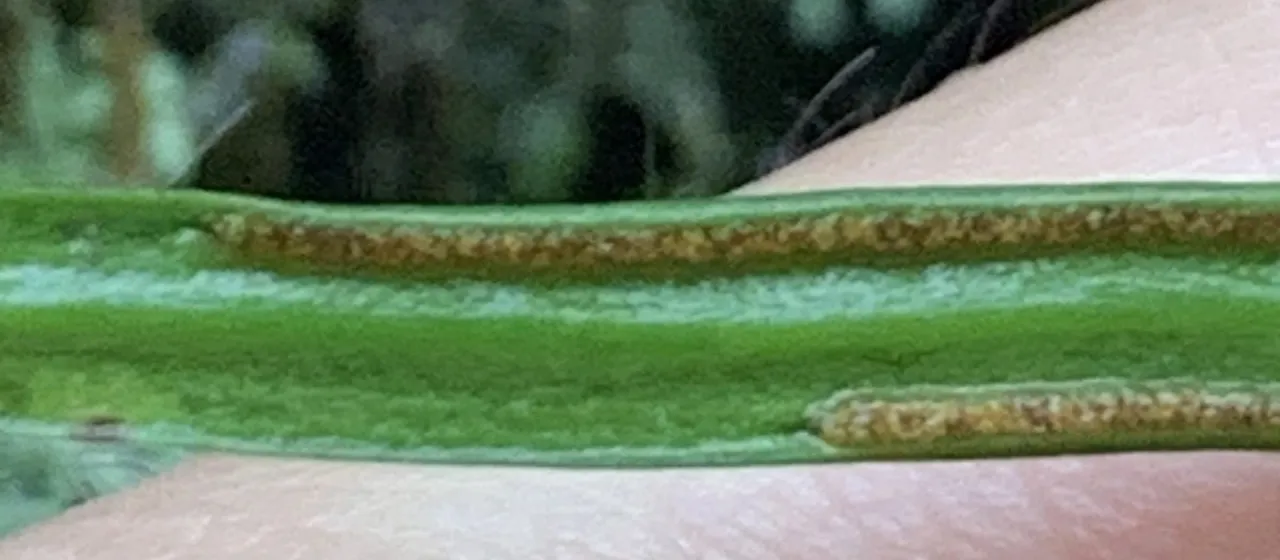
Botanically, the plant is distinguished by a creeping rhizome and simple, entire fronds that can reach significant lengths while maintaining a flexuous, or wavy, configuration. The sporulation organs, known as sori, are located along the margins of the leaf blades, which is a key diagnostic feature of this fern genus. The plant does not produce flowers, propagating instead through spores or by division of the rhizome clump.
For successful cultivation of the crop, specific environmental conditions are required: consistently high humidity, moderate temperatures year-round, and protection from direct sunlight. The substrate must be loose, well-aerated, and moisture-retentive; mixtures based on orchid bark, sphagnum moss, and charcoal are ideal. Agronomic practices also include regular watering with soft water and periodic feeding with low-salt fertilizers.
The economic use of the species is limited to the ornamental sector. It is rarely affected by typical open-field pests; however, in indoor environments, there is a risk of spider mites or mealybugs if humidity levels are neglected. The primary threats to the plant's health include root rot, which typically occurs due to overwatering or exposure to excessively low temperatures.