
Description
Harpagophytum zeyheri is a perennial herbaceous plant belonging to the Pedaliaceae family. Widely recognized in the international trade as a variety of "Devil's Claw," this species is a significant agricultural crop valued for its unique phytochemical profile. It is morphologically distinct from its close relative, Harpagophytum procumbens, primarily in fruit and floral characteristics.
The plant originates from the arid regions of Southern Africa, including Namibia, Botswana, and South Africa. It is endemic to semi-desert environments, thriving in sandy soils with minimal annual precipitation. Due to its specific ecological requirements, it is cultivated in regions that mimic these harsh, high-sunlight, and low-humidity conditions.
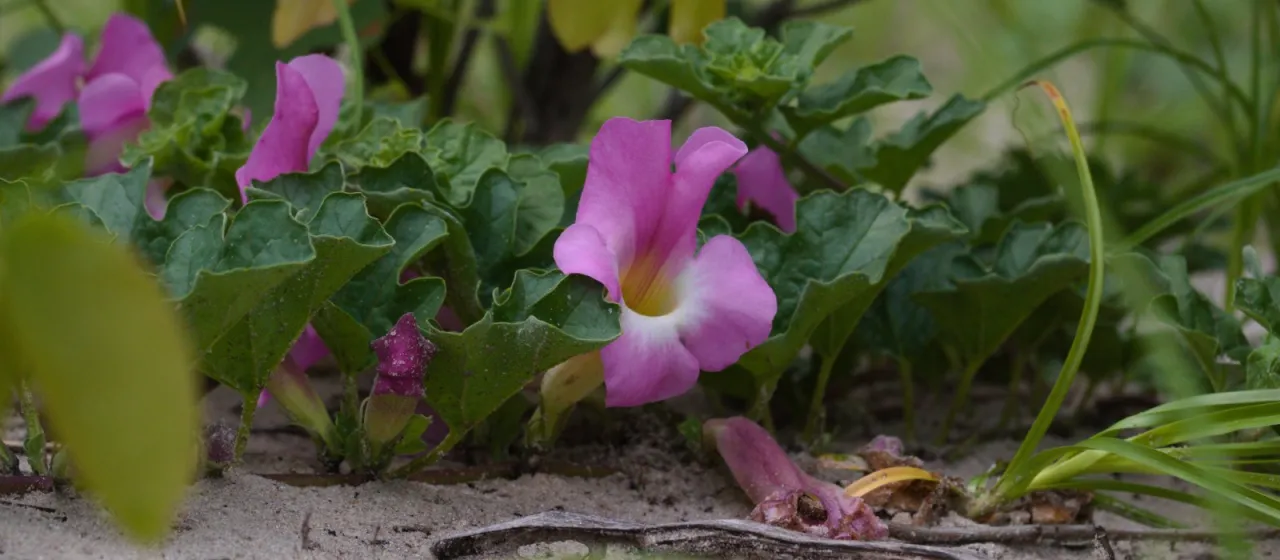
Botanically, it is a succulent characterized by a perennial root system consisting of primary taproots and secondary storage tubers. The plant produces prostrate, trailing stems and small, lobed leaves. Its tubular, pinkish-purple flowers are a notable feature, typically blooming after sporadic rain events in its native habitat.
Agricultural success with Harpagophytum zeyheri depends on strict adherence to drainage requirements. The crop demands well-drained, nutrient-poor sandy soils. Over-irrigation is the most common cause of crop failure, as the tubers are highly susceptible to rot. Consistent solar exposure and heat are mandatory for the successful development of active secondary metabolites in the tubers.
The primary economic use is the extraction of harpagosides from the tuberous roots for the pharmaceutical industry, specifically for treatments targeting osteoarthritis and inflammation. Potential challenges in large-scale production include:
- Managing soil moisture to prevent fungal root decay.
- Protecting young shoots from local insect herbivory.
- Establishing sustainable harvesting cycles to maintain soil fertility and plant population density.