
Description
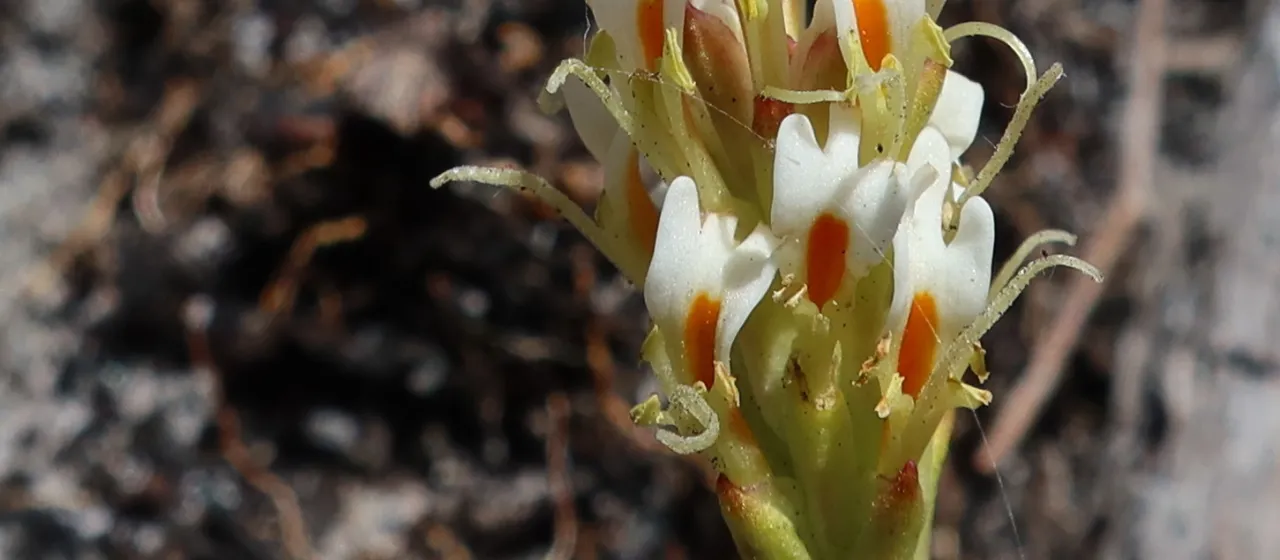
Hebenstretia repens is a perennial herbaceous plant belonging to the Scrophulariaceae family. It is widely recognized in horticultural circles as a low-growing, spreading groundcover that produces attractive, fragrant spikes of white flowers with striking orange-red markings in the throat, creating a visually appealing matting effect in garden landscapes.
The species originates from the southern regions of Africa, where it has adapted to dry, sunny, and rocky environments. This evolutionary history dictates its preference for open, sun-exposed locations and well-drained soils, which are critical factors for successful cultivation in non-native climates.
Botanically, the plant features slender, lanceolate leaves arranged along creeping stems that root at the nodes. The inflorescences are dense, spike-like racemes that bloom over a prolonged period during the warmer months, providing a reliable source of fragrance and color to the garden bed or rockery.
Agricultural and gardening requirements focus on soil drainage and temperature regulation. The plant thrives in sandy or light loamy soils with a neutral pH. It is sensitive to excessive humidity, especially during winter months, which can lead to root system decay. Maintenance involves minimal pruning, consistent moderate watering, and protection from severe frosts in colder zones.
The primary use of this crop is in ornamental horticulture, specifically for rock gardens, ground cover patches, and container planting. Common plant health issues include fungal pathogens such as powdery mildew or root rots, typically triggered by improper irrigation or poor air circulation. Effective management requires a combination of good site selection and preventive fungicide applications if environmental conditions become overly humid.