
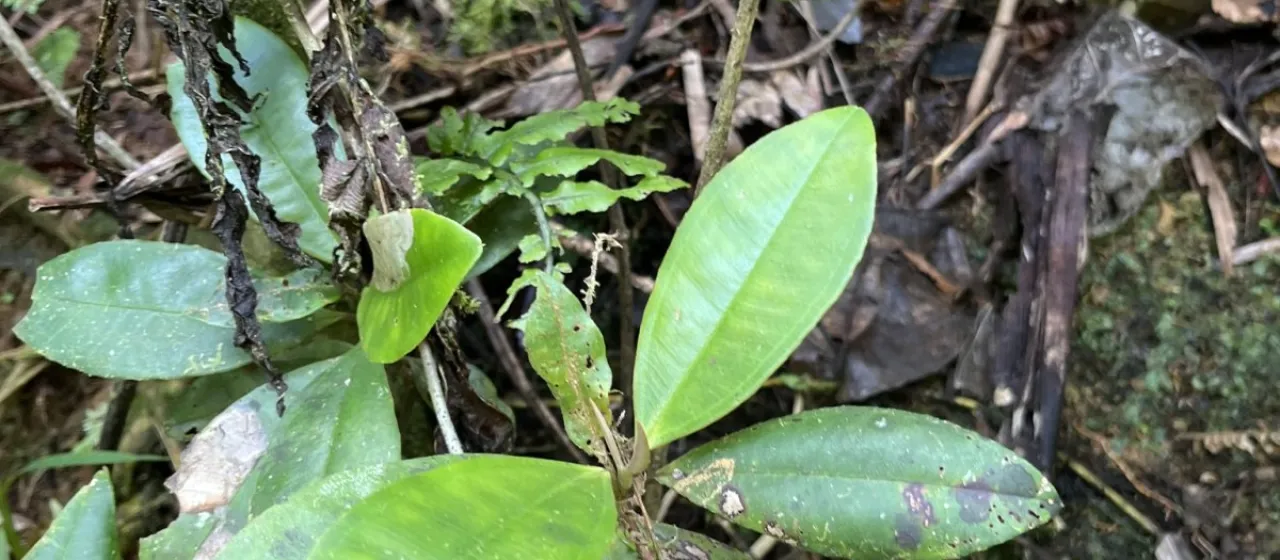
Description
Hedyosmum arborescens is a perennial evergreen plant species belonging to the Chloranthaceae family. Commonly found in tropical ecosystems, it manifests as a woody shrub or a small tree. The plant is noted for its aromatic properties, which are derived from specialized glands present in its foliage and bark, making it a subject of interest in both botany and ethnobotany.
The plant is native to the Caribbean region, particularly mountainous habitats in Jamaica. Its natural range is restricted to high-humidity environments, typically within tropical cloud forests. Hedyosmum arborescens thrives in areas with high annual precipitation and consistent temperatures, reflecting its adaptation to a niche within the forest understory.
The botanical structure consists of opposite leaves with stipules and inconspicuous flowers. As a dioecious species, male and female reproductive organs occur on separate individuals, which is a key reproductive characteristic. The plant develops a dense wood structure that is characteristic of the Chloranthaceae family, providing stability in its often steep and humid mountain habitats.
Cultivation requirements for this species are specific and demanding. It requires well-draining, humus-rich soil that maintains a consistent level of moisture without becoming waterlogged. Regarding lighting, it prefers partial shade, mimicking the filtered light found under the forest canopy. Greenhouse conditions should be carefully managed to maintain high humidity levels year-round.
Economically, Hedyosmum arborescens is utilized for its aromatic compounds, which have been studied for potential applications in medicine and fragrance production. Common pests affecting this plant in captivity include mites and mealybugs, especially if the air humidity is insufficient. Disease management primarily focuses on preventing root rot through careful watering and adequate soil drainage protocols.