
Description
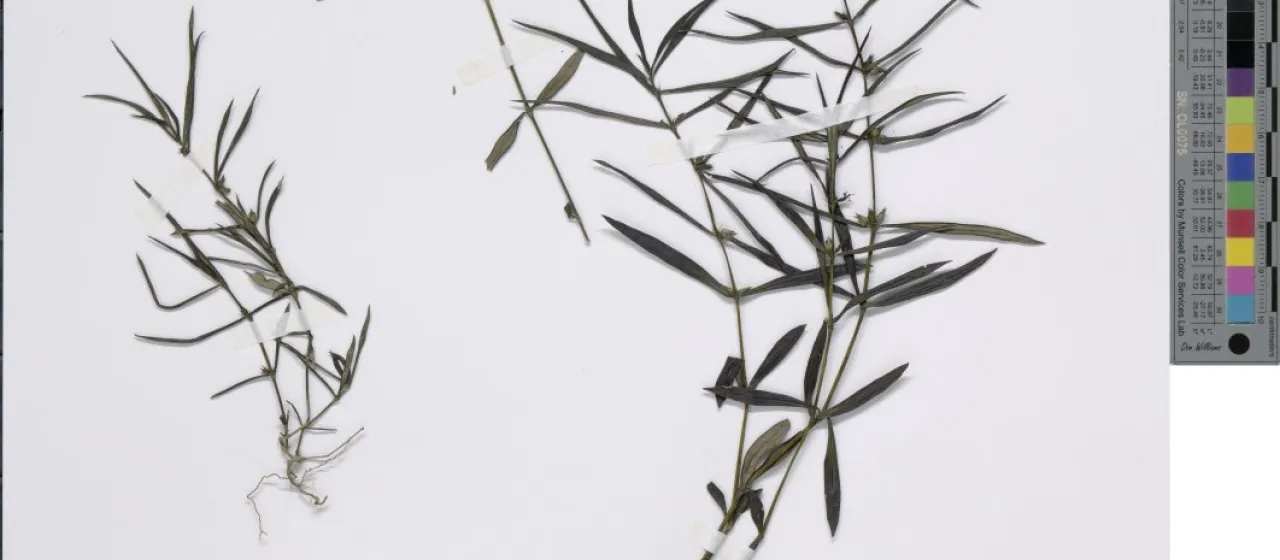
Hedyotis tenelliflora is a herbaceous plant belonging to the Rubiaceae family. This species is recognized for its pharmacological potential and unique biological profile. While not a conventional staple crop, its cultivation is becoming increasingly relevant in the sector of specialty medicinal plants and botanical research.
The plant originates from the tropical and subtropical regions of Asia. Its natural habitat includes damp grasslands and areas bordering agricultural plots. Due to its adaptation to warm climates, the cultivation of this species is most successful in environments that mimic its native moist, warm conditions, often requiring controlled environments in temperate zones.
Botanically, the plant is characterized by slender, delicate stems and narrow, lanceolate leaves. The inflorescences consist of small, fragile flowers, which give the plant its specific name. The root system is fibrous and requires soil that allows for both gas exchange and moisture retention to ensure optimal growth and the development of essential secondary metabolites.
Agricultural requirements focus on providing a stable growth environment. A well-draining soil with an acidic to neutral pH is optimal. Regular moisture is essential, as the plant does not tolerate prolonged droughts. In controlled environments, providing consistent day length and temperature—ideally between 20°C and 28°C—is critical for achieving high biomass yields.
- Consistent irrigation schedules to avoid soil drying
- Adequate soil drainage to prevent root fungal issues
- Optimal fertilization with a focus on nitrogen-rich compounds
- Regular canopy thinning to prevent humidity-related diseases
The primary use of Hedyotis tenelliflora lies in the pharmaceutical industry, where it is utilized for its anti-inflammatory properties. Common pests include aphids and mites, which can be managed through integrated pest management (IPM) practices. Diseases such as root rot are typically associated with over-watering, necessitating precise soil moisture monitoring in all cultivation efforts.