
Description
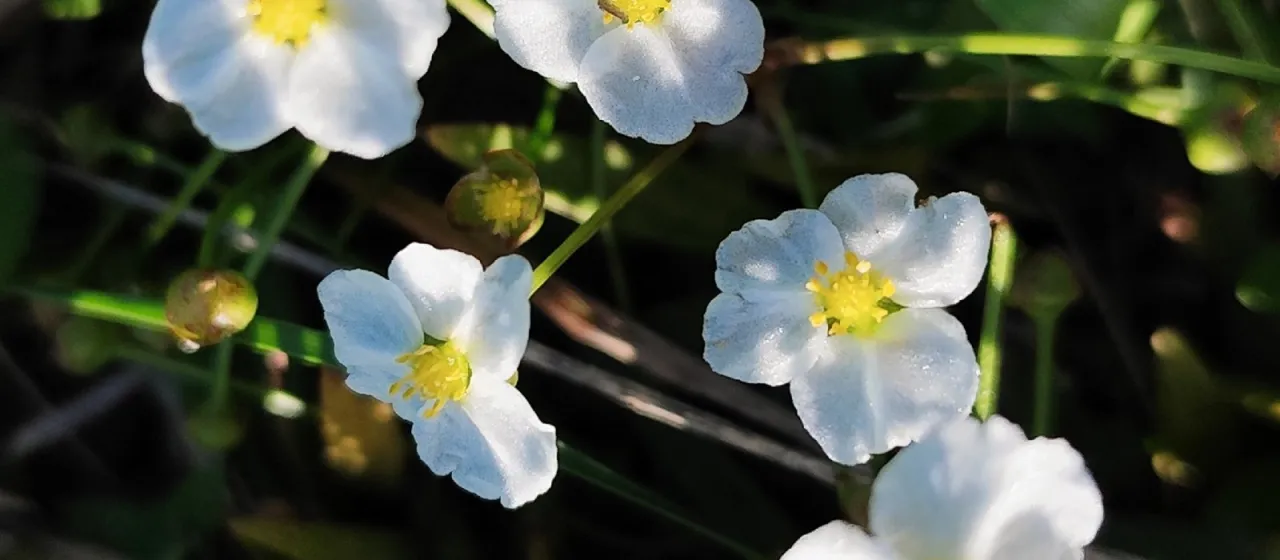
Helanthium bolivianum is a perennial aquatic and semi-aquatic plant belonging to the Alismataceae family. Historically categorized under the genus Echinodorus, it is now widely recognized as a distinct genus, Helanthium. This species is highly valued for its adaptability and serves as a classic example of a rosette-forming aquatic plant.
The origin of this species is spread across Central and South America. Its natural habitat includes riverbanks, wetlands, and flooded areas where water levels fluctuate significantly. This geographic diversity has allowed the plant to develop specialized biological mechanisms for surviving both submerged and emersed conditions, making it an excellent candidate for various aquarium setups.
Botanically, the plant develops from a basal rosette of leaves. The leaf morphology is highly plastic, ranging from linear to broad-lanceolate blades depending on the environmental conditions, particularly light intensity and nutrient availability in the substrate. Its root system is robust, designed to anchor the plant firmly in soft riverbeds and clay-rich substrates.
Cultivation requirements for Helanthium bolivianum involve providing a nutrient-rich substrate, as the plant relies heavily on root feeding. It prefers temperatures between 20°C and 28°C and thrives in moderate to high lighting conditions. To maintain its compact, lush growth, regular fertilization with iron and micronutrients is recommended, often supplemented by CO2 injection in high-tech aquarium systems.
The plant is used primarily for ornamental purposes in aquascaping to create dense foreground carpets or mid-ground accents. Common health issues arise from stagnant water conditions, which can lead to root rot, or algal blooms if lighting and nutrient levels are imbalanced. Propagation is efficiently achieved through the development of runners, which produce daughter plantlets that can be separated and replanted.