
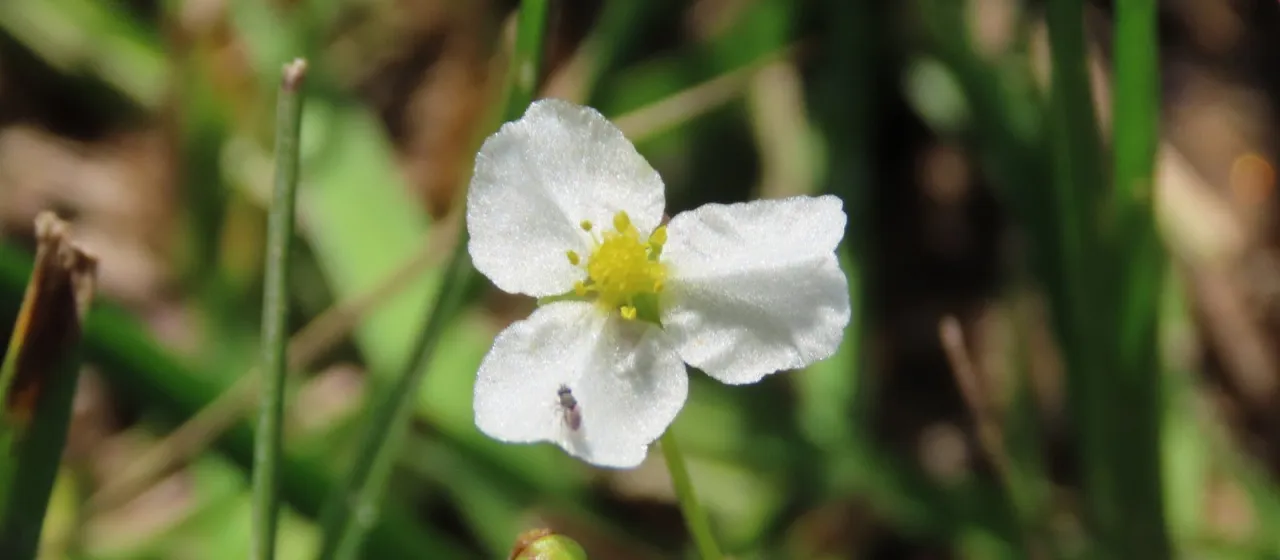
Description
Helanthium tenellum, commonly known as pygmy chain sword, is a perennial aquatic herbaceous plant belonging to the Alismataceae family. This species is highly valued in the aquaculture industry and decorative plant markets for its compact size, rapid propagation rate, and ability to create dense, carpet-like ground cover in aquatic environments.
The plant originates from the tropical and subtropical regions of the Americas, with a natural range extending from the southern United States through Central America to Argentina. In its native habitat, it typically occupies wetlands, muddy riverbanks, and shallow water margins, demonstrating a high degree of phenotypic plasticity by successfully surviving both submerged and emersed conditions during seasonal fluctuations.
Botanically, Helanthium tenellum is characterized by narrow, linear leaves forming basal rosettes. Its height is generally limited to 5–10 cm, making it an excellent candidate for foreground planting. The plant features an efficient, fibrous root system designed to extract nutrients from the substrate. Its primary survival strategy involves the development of creeping stolons, allowing it to colonize surrounding areas rapidly.
Agrotechnical requirements for this crop focus heavily on substrate quality and lighting intensity. It thrives in fine-grained, nutrient-rich soil that allows for root penetration and gas exchange. Optimal growth is achieved under moderate to high light, with supplemental CO2 injection significantly enhancing biomass production. Regular fertilization, particularly with iron and micronutrients, is essential to prevent leaf discoloration and support vigorous growth.
- Substrate: Fine-grained, nutrient-rich aquatic soil.
- Light: Moderate to strong intensity.
- Temperature: 20–28°C (68–82°F).
- Water chemistry: pH 6.0–7.5, moderate hardness.
- Propagation: Vegetative runners (stolons).
Commercially, the plant is produced in large-scale aquatic nurseries, often utilizing emersed cultivation methods in climate-controlled greenhouses to ensure disease-free, robust stock. Common challenges in production include managing algae blooms that can outcompete the plants for light and nutrients, as well as protecting the crops from common pests such as aphids when grown in emersed conditions. Proper management of water flow and substrate aeration remains the key to high-yield harvests.