
Description
Jamaica screwtree (Helicteres jamaicensis) is a perennial shrub belonging to the Malvaceae family. Recognized for its unique structural features and resilient nature, this species is a representative of the tropical flora that adapts to specific ecological niches within the Caribbean region.
The plant originates from the West Indies and thrives in tropical climates characterized by warm temperatures and distinct seasonal variations. It is typically found in open habitats, including rocky slopes and coastal woodlands, where it demonstrates significant tolerance to diverse and sometimes nutrient-poor soil conditions.
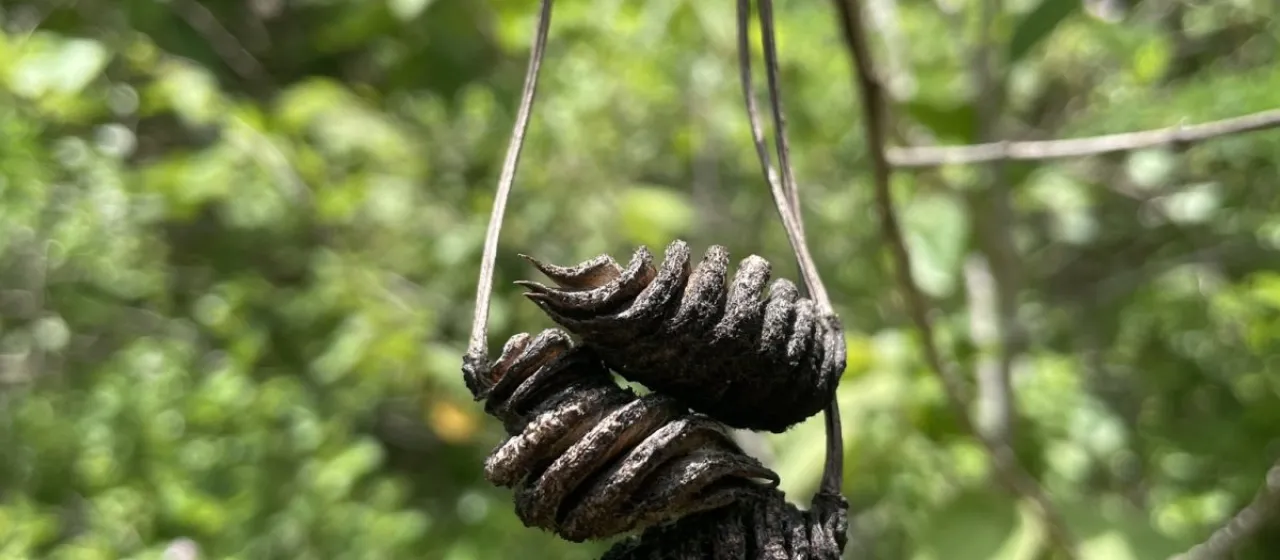
Botanically, the species is distinguished by its characteristic spirally twisted fruit capsules, from which the genus derives its common name. The leaves are typically pubescent, providing a natural defense against excessive transpiration in high-heat environments. The flowers exhibit complex floral architecture, emphasizing the evolutionary adaptations of the Malvaceae family.
Regarding agrotechnical requirements, the crop demands well-drained soil and high levels of solar radiation. It is sensitive to waterlogging, which necessitates careful site selection and the implementation of drainage systems in agricultural settings. Optimal growth is achieved in soils with slightly alkaline to neutral pH levels, reflecting its native rocky habitat.
The primary economic value of the plant lies in its fibrous stems, which have historically been utilized for cordage and weaving. Additionally, the plant is subject to research regarding its secondary metabolites, which may hold potential for medicinal applications. Crop management involves monitoring for common tropical pests and preventing fungal infections by ensuring adequate air circulation around the plants.