
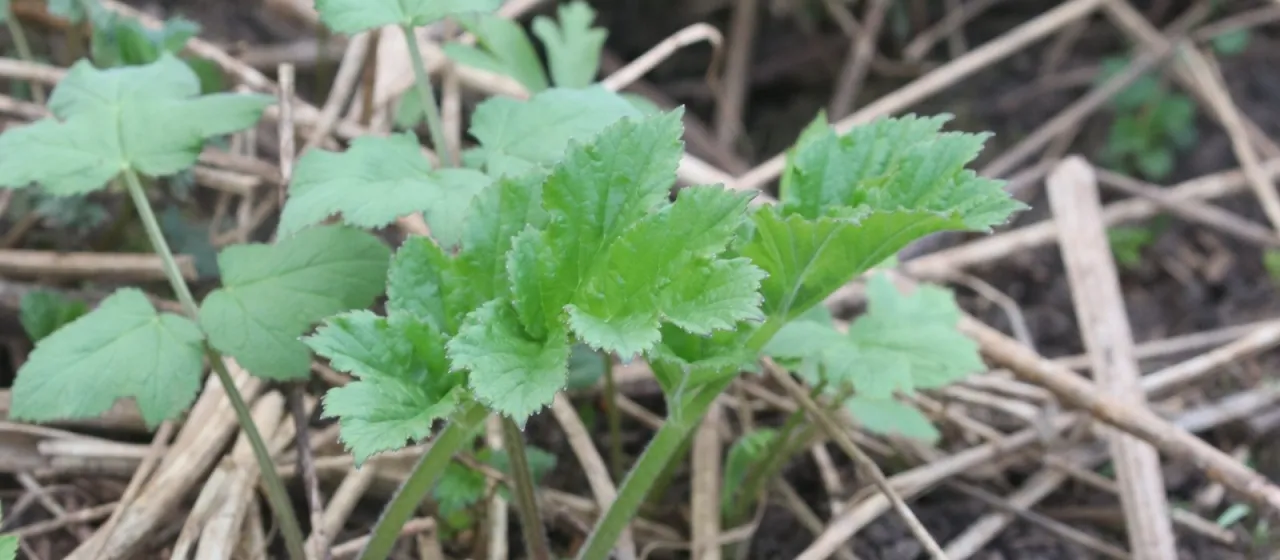
Description
Siberian cowparsnip (Latin: Heracleum sibiricum) is a biennial or perennial herbaceous plant belonging to the Apiaceae family. Unlike its invasive relative, the giant hogweed, the Siberian cowparsnip is a harmless, native species that has been historically utilized in agriculture as a productive fodder plant and a source of green biomass for cattle.
The plant is native to the temperate regions of Eurasia, with a natural range extending from Central Europe through Russia and into Siberia. It is well-adapted to various soil types and climatic conditions, often found in meadows, forest fringes, and moist habitats. Its ability to grow rapidly makes it a reliable choice for sustainable forage production in its native range.
Botanically, it features a tall, ribbed, hollow stem that can reach up to 2 meters in height. The leaves are large, pinnately compound, and covered in fine hairs. The plant produces distinctive large, complex umbels with yellow-green flowers during the early to mid-summer period. A deep, robust taproot allows the plant to thrive even during periods of moderate drought.
Cultivation requirements are relatively modest. The Siberian cowparsnip prefers fertile, well-drained loamy soils with adequate moisture. Agronomic management involves site preparation, seed sowing, and light nitrogen fertilization to boost vegetative growth. Since it is a perennial plant, it can provide multiple harvests throughout the season if the growth cycle is managed correctly.
The primary agricultural use of this crop is in livestock feed production.
- Production of nutrient-rich silage.
- Use as fresh grazing forage for cattle and sheep.
- Utilization of dry matter for livestock feed concentrates.
Common pests include the hogweed moth and various leaf beetles, which feed on the foliage and developing seeds. Diseases such as powdery mildew and rust fungi may occur in dense, poorly ventilated stands. To minimize these risks, farmers should focus on appropriate spacing and timely harvesting before the plant reaches full lignification of the stems.