
Description
Herissantia crispa is a perennial herbaceous plant or small subshrub belonging to the Malvaceae family. This species is recognized for its durability and resilience in varied environments, making it a subject of interest in agricultural studies within tropical and subtropical regions.
The plant originates from the Americas, specifically spanning across South and Central America and the Caribbean islands. It thrives in open, sunny habitats and is commonly found in disturbed areas, roadsides, and abandoned fields, showcasing its high adaptability to different soil conditions and climatic pressures.
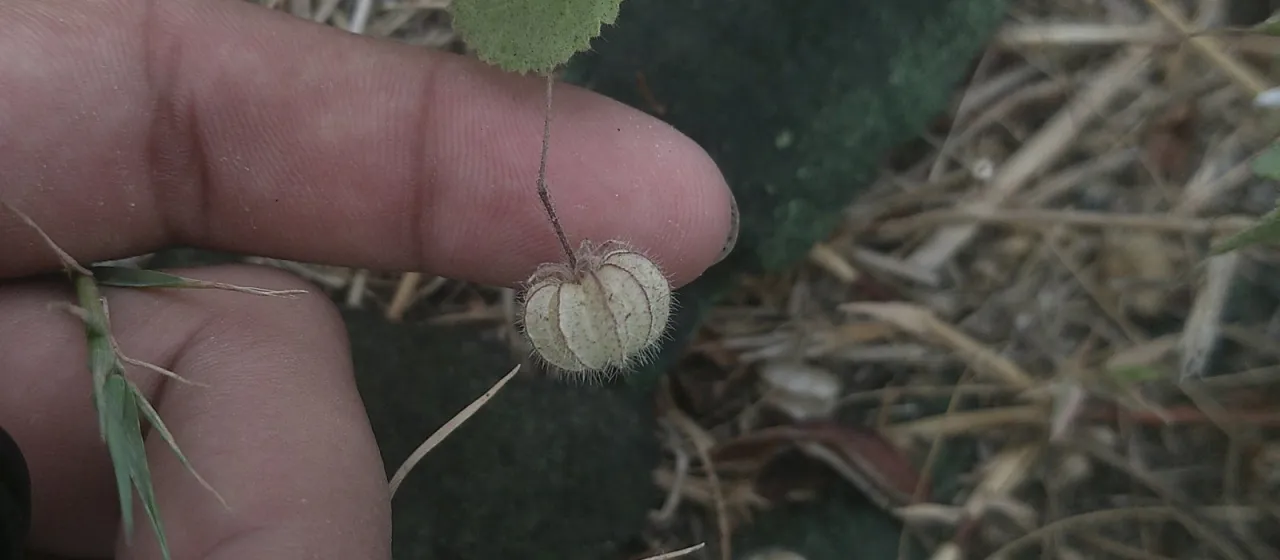
Botanically, Herissantia crispa is characterized by slender, spreading or ascending stems with delicate pubescence. The leaves are generally heart-shaped with serrated margins, while the small flowers typically exhibit pale yellow or white petals. The fruit is a distinctively inflated capsule containing small, robust seeds that facilitate natural dispersal.
Agronomic requirements for this crop focus on well-drained, sandy-loam soils with a neutral pH level. The plant is noted for its high drought tolerance, which is a significant advantage in arid zones. Cultivation requires minimal input; however, managing early-stage weed competition is crucial to ensure successful establishment and optimal biomass development.
Industrially, Herissantia crispa is valued for its potential in fiber production. The stems contain bast fibers that can be processed for various technical applications. In addition to fiber production, the plant serves as a source of biomass and can be utilized in forage management systems within certain livestock farming practices in tropical climates.
- Excellent adaptability to heat and drought.
- Suitable for sustainable soil conservation practices.
- Requires minimal specialized fertilizer programs.