
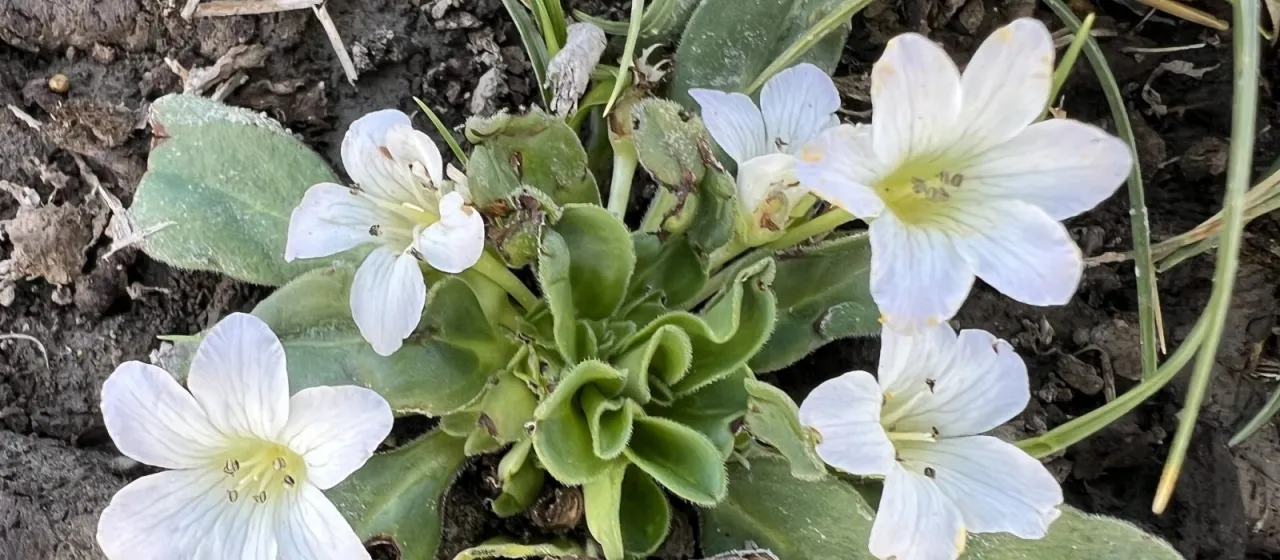
Description
Hesperochiron californicus is a low-growing herbaceous perennial plant belonging to the Boraginaceae family. Known for its aesthetic appeal and biological resilience, this species occupies a unique niche in specialized gardening and botanical research, particularly in the western regions of North America.
The plant originates from the mountainous and meadow regions of California, Nevada, and Oregon. In its natural habitat, it thrives in vernally moist areas where snowmelt provides adequate irrigation during the early growth stages, followed by a transition to drier summer conditions.
Botanically, it is characterized by a basal rosette of lanceolate leaves and a cluster of delicate, bell-shaped flowers that typically exhibit white or pale violet hues. Its root system is structured to store energy, allowing the plant to remain dormant throughout the hot, arid summer months.
Cultivation requires careful attention to soil moisture and drainage. The ideal substrate is a well-drained, nutrient-rich, sandy-loam mixture with a slightly acidic to neutral pH. Agricultural management involves simulating the seasonal cycle: ensuring high moisture during the growth phase and preventing waterlogging in the dormant period.
While primarily used as an ornamental plant in rock gardens and native plant landscaping, it is relatively resistant to major agricultural pests. However, agronomists advise careful monitoring for crown rot, which can occur if the soil structure fails to provide proper aeration during periods of high humidity.