
Description
Dwarf Hesperochiron (Hesperochiron pumilus) is a perennial herbaceous plant belonging to the Hydrophyllaceae family. Native to the mountainous regions of Western North America, it is highly valued by enthusiasts of native flora and alpine gardening for its unique growth habit.
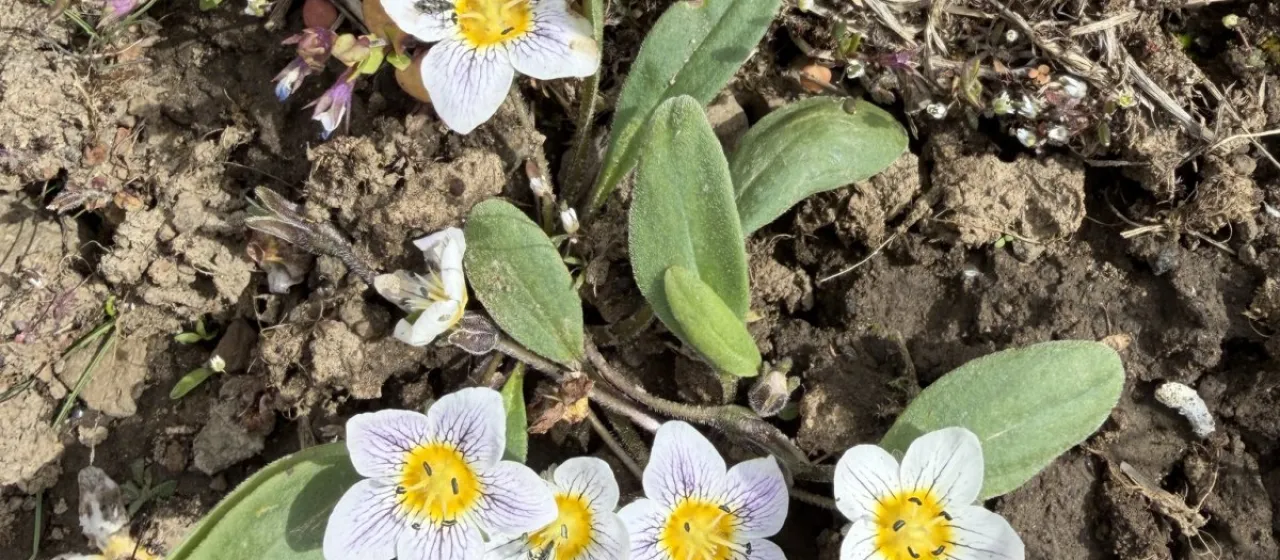
Botanically, the plant is characterized by a basal rosette of leaves and striking, funnel-shaped flowers that appear in early spring. These flowers typically display shades of white to pale lavender, often accented with distinct darker veins. The plant relies on a fleshy taproot, which allows it to thrive in environments that undergo significant seasonal moisture fluctuations.
Its natural habitat consists of moist slopes and alpine meadows that dry out significantly as the summer season progresses. Because of this, the plant has evolved to complete its growth cycle rapidly during the spring months, followed by a period of dormancy in the drier summer soil.
In terms of cultivation, Hesperochiron pumilus requires excellent soil drainage and a location that mimics the cool, high-light conditions of the mountains. It is a suitable candidate for rock gardens, trough planters, or as a specialty ground cover in specialized garden displays where its delicate appearance can be highlighted.
- Requires well-draining, gritty, or rocky soils.
- Thrives in full sun to partial light.
- Requires a dry dormant period during mid-summer.
- Sensitive to excessive moisture during winter months.
The primary challenges in maintaining this plant include preventing root rot, which often occurs if the soil remains waterlogged, and protecting the foliage from pests such as aphids or slugs. Consistent monitoring of soil drainage is the most critical factor for long-term health in a garden setting.