
Description
Heterotis canescens is a perennial shrub belonging to the Melastomataceae family. Known for its aesthetic appeal, this plant is primarily utilized in ornamental horticulture and traditional medicinal practices. Its unique structural characteristics and vibrant flowering cycles make it a valuable asset for tropical garden layouts and specialty plant collections.
The plant is native to tropical Africa, where it thrives in savannah environments and forest margins. Its natural range encompasses regions characterized by distinct wet and dry seasons, providing the plant with the biological flexibility required to adapt to various tropical climates. Today, it is widely cultivated in nurseries across warm climates worldwide.
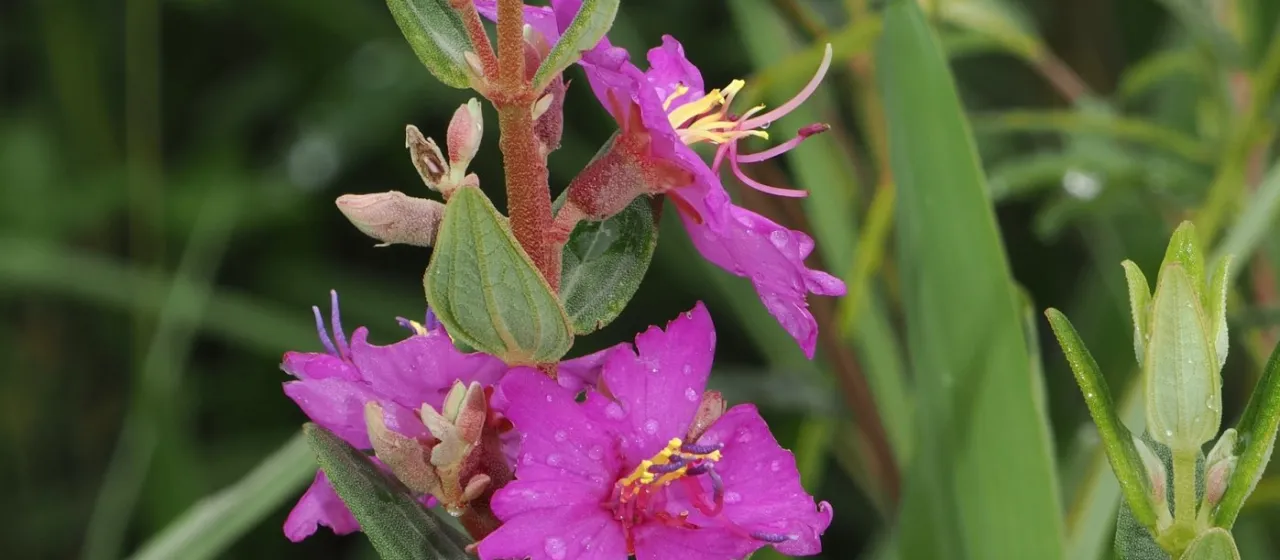
Botanically, Heterotis canescens is recognized by its oppositely arranged, pubescent leaves that display the characteristic venation of the Melastomataceae family. The plant produces large, showy, pink-to-purple flowers that serve as a primary ornamental feature. Its root system is fibrous and deep, allowing the shrub to anchor well in various soil types while maintaining drought tolerance during brief dry spells.
Agricultural requirements for successful growth include full sun exposure and well-draining, nutrient-rich soil with a slightly acidic profile. Proper agrotechnology involves consistent irrigation during the peak growing season and the application of balanced fertilizers to support vigorous flowering. Pruning is essential to maintain plant shape and prevent the shrub from becoming overgrown.
- Soil Type: Well-drained, organic-rich loams.
- Watering: Regular irrigation, avoiding waterlogged soil.
- Sunlight: Full sun to partial shade for optimal blooming.
- Propagation: Stem cuttings or seed germination.
In terms of хозяйственного usage, the plant is primarily ornamental, though local applications of its foliage for herbal preparations exist. Disease management focuses on preventing leaf spot fungi, often mitigated through proper spacing and air circulation. Insect pests such as spider mites and scale insects are managed through integrated pest control programs, including the use of neem oil or horticultural soaps.