
Description
Hibbertia empetrifolia is an evergreen shrub belonging to the family Dilleniaceae. While not a primary agricultural crop in terms of food production, it is highly valued in the horticultural industry as a specialty ornamental plant. Its distinctive foliage and bright, sun-like flowers make it a desirable subject for niche landscaping and greenhouse cultivation.
The plant originates from Australia, where it thrives in various coastal and inland environments. Its natural habitat suggests a preference for regions with mild winters and consistent moisture levels, though it displays a remarkable tolerance for different soil types provided they are well-drained, which is a key trait of this botanical genus.
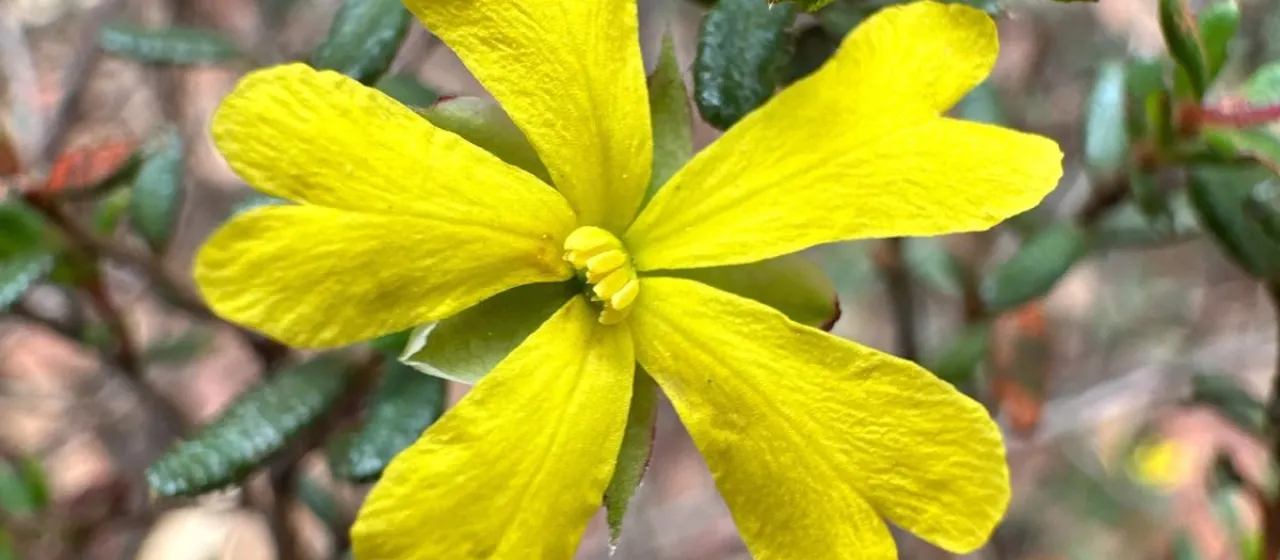
Botanically, Hibbertia empetrifolia is characterized by its sprawling or climbing growth habit, depending on the environment and pruning. Its leaves are small and needle-like, which helps the plant reduce transpiration. The flowers typically appear in clusters or as solitary blooms, radiating a bright yellow color that significantly contrasts with the dark green foliage.
When it comes to agronomic requirements, the plant demands high-quality drainage. Excessive water retention is the most common cause of failure in its cultivation. It requires a sunny position to produce the best flowering results, though partial shade is beneficial in extremely hot climates to prevent leaf scorching. Fertilizer needs are moderate, focusing on slow-release options during the active growing season.
The economic value of this crop is strictly ornamental, utilized in pot plants, rock gardens, and sheltered terraces. While not prone to severe agricultural pests, growers should monitor for common greenhouse intruders such as scale insects or mealybugs. Proper hygiene and ventilation remain the most effective methods to prevent fungal diseases such as botrytis.
- Requires well-drained, sandy-loam soil.
- Needs consistent but non-excessive watering.
- Benefits from regular pruning to maintain compact shape.
- Sensitive to hard frosts, requires winter protection.