
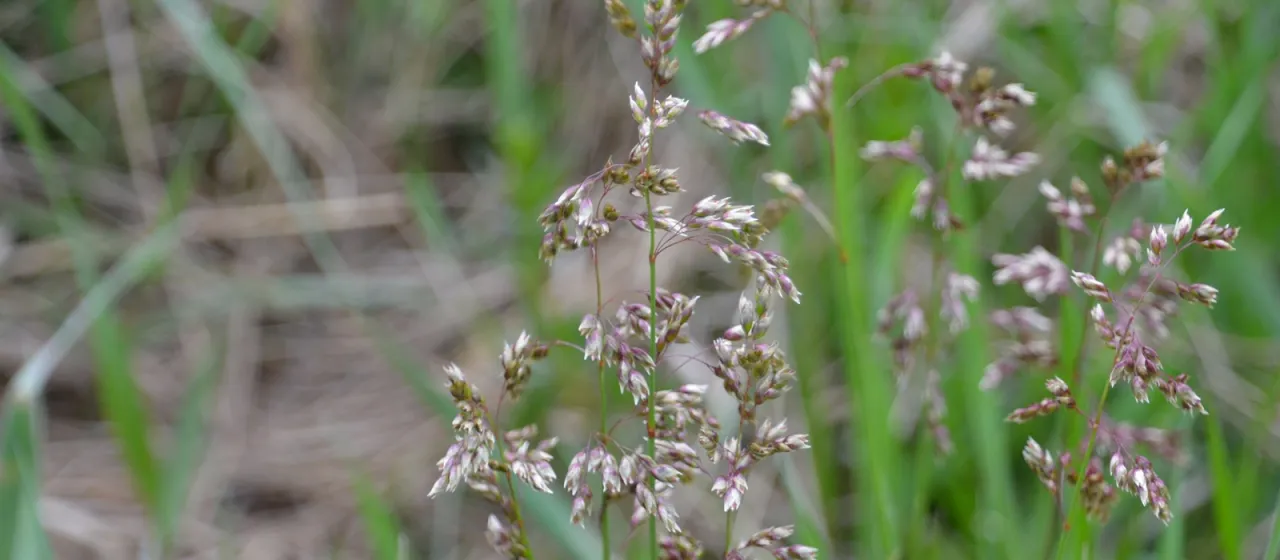
Description
Sweet grass (Hierochloe odorata), also known as vanilla grass, is a perennial herb belonging to the Poaceae family. This plant is globally recognized for its sweet, vanilla-like fragrance, which is highly prized in various cultures. In an agricultural context, it is cultivated primarily as an aromatic crop for the essential oil industry and for the production of specialized botanical extracts.
The plant originates from the cooler regions of the Northern Hemisphere, including parts of Europe, Asia, and North America. It thrives in temperate climates and is naturally adapted to moist meadows, riverbanks, and open woodland areas. Its ability to tolerate wet soil conditions makes it a unique candidate for land that might be otherwise unsuitable for traditional grain crops.
Botanically, it is a rhizomatous perennial characterized by its creeping root system and upright, smooth stems. The leaves are narrow and flat, often turning a light green color. The inflorescence is an open, bronze-colored panicle that appears in late spring or early summer. The plant spreads primarily through its extensive rhizomes, forming dense mats that help prevent soil erosion in wild ecosystems.
Cultivation requires soils that retain moisture but are not permanently waterlogged. While it is quite hardy and frost-resistant, providing consistent moisture during the growing season is crucial for optimal biomass production. Maintenance involves regular weeding during the early stages of growth, although once established, the plant's aggressive rhizomes effectively suppress most competing weeds.
The primary commercial use of sweet grass includes:
- Aromatization of distilled beverages and liqueurs.
- Production of herbal teas and traditional medicinal remedies.
- Use in cosmetic and perfumery industries.
- Traditional crafts and incense making.
From an agronomic perspective, sweet grass is remarkably resistant to typical pests and diseases due to its chemical composition, specifically the presence of coumarin. This makes it an excellent choice for low-input farming systems. However, farmers should monitor for occasional fungal outbreaks if the crop is grown in areas with poor airflow and excessive humidity.