
Description
Hildegardia erythrosiphon is a distinct tree species belonging to the Malvaceae family. Historically associated with the Sterculiaceae group, it is now classified within the expanded Malvaceae family. This tree is recognized for its specialized adaptations to semi-arid tropical environments, making it a subject of interest for botanical research and specialized horticulture.
The species is native to East Africa, specifically within regions of Somalia. Its natural habitat consists of dry tropical forests and scrublands where the tree has evolved to withstand long, severe dry seasons. Given its limited native distribution, it is categorized as a rare species, often found only in specialized collections or botanical gardens that can mimic its natural xerophytic conditions.
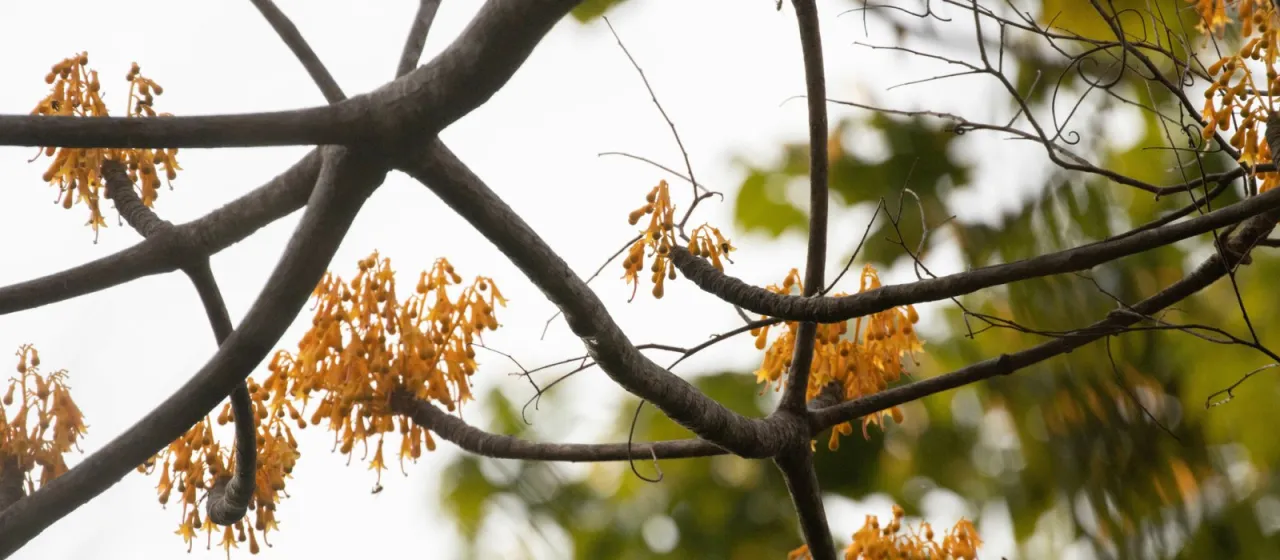
Botanically, this plant is deciduous, shedding its foliage during the drought period to conserve internal moisture. Its most striking feature is the vibrant reddish-orange perianth during the flowering stage, which is a key identifying characteristic. The tree structure is robust, with a trunk that often remains photosynthetic, allowing the plant to sustain metabolic functions even in the absence of leaves.
Cultivation of Hildegardia erythrosiphon demands strict adherence to arid-climate protocols. It requires extremely well-drained, sandy, or rocky soil substrates to prevent root rot, which is the primary cause of failure in cultivation. Irrigation must be carefully managed, following a cycle of growth and dormancy that mimics the rainfall patterns of its native African habitat; excessive water is detrimental to the plant's long-term health.
The agricultural and ornamental potential of the tree is mainly focused on xeriscaping and botanical preservation.
- Superior drought resistance.
- Significant ornamental flowering phase.
- Photosynthetic bark as a survival trait.
- Resilience in high-temperature environments.