
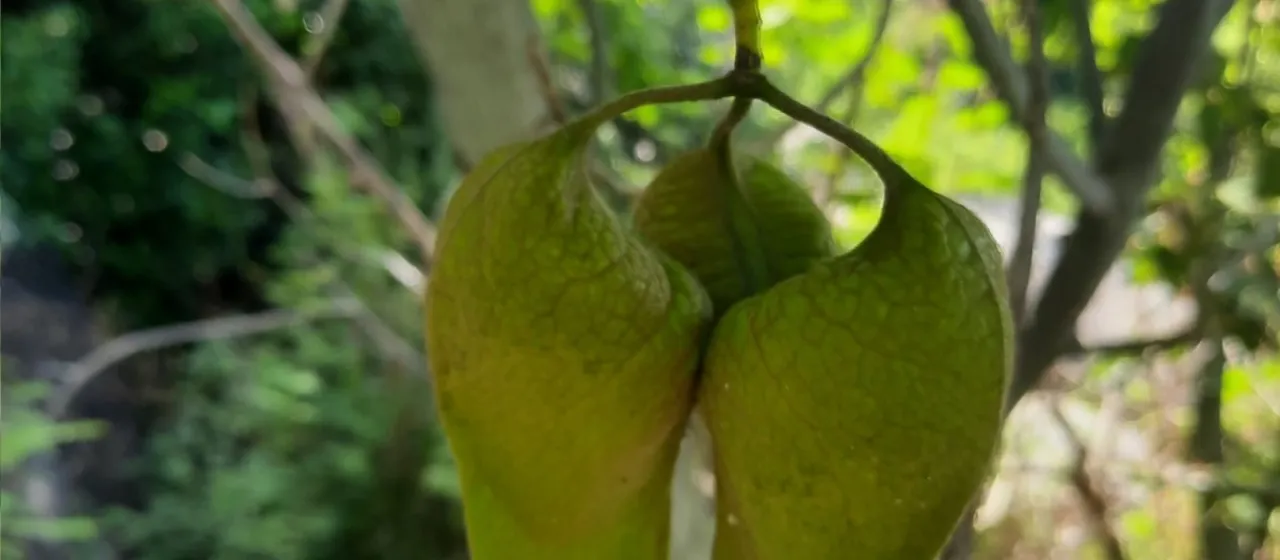
Description
Hildegardia populifolia is a rare deciduous tree species belonging to the Malvaceae family. Recognized for its unique biological profile, this plant is considered a significant botanical specimen, primarily found in restricted natural habitats and increasingly studied within controlled horticultural environments for conservation purposes.
The species originates from the dry deciduous forests of India, specifically within the Eastern Ghats region. Its natural distribution is limited, which classifies it as a threatened species. Understanding its native ecological niche is essential for any attempts to cultivate the plant outside of its natural range, as it is highly specialized.
Botanically, the tree is noted for its smooth bark and cordate leaves that resemble those of poplar trees, hence its specific epithet. A distinct feature of this species is its flowering cycle, which typically occurs while the tree is leafless, resulting in a striking aesthetic display. The flowers are arranged in panicles and are structurally adapted for specific pollinators.
In terms of agricultural requirements, Hildegardia populifolia thrives in well-drained, rocky or gravelly soils that mirror its native terrain. It is sensitive to excessive moisture; thus, the irrigation strategy must be strictly regulated to avoid waterlogging, which can severely impact root health. Adequate sunlight exposure is critical during its growth phase.
The primary utility of the species lies in biodiversity conservation and specialized arboriculture. While not a commercial crop, its propagation is vital for ecological research. Common threats include fungal pathogens that target the roots in humid conditions and various tropical pests that feed on foliage. Pest management relies on maintaining plant vigor through proper site selection and avoiding over-watering.