
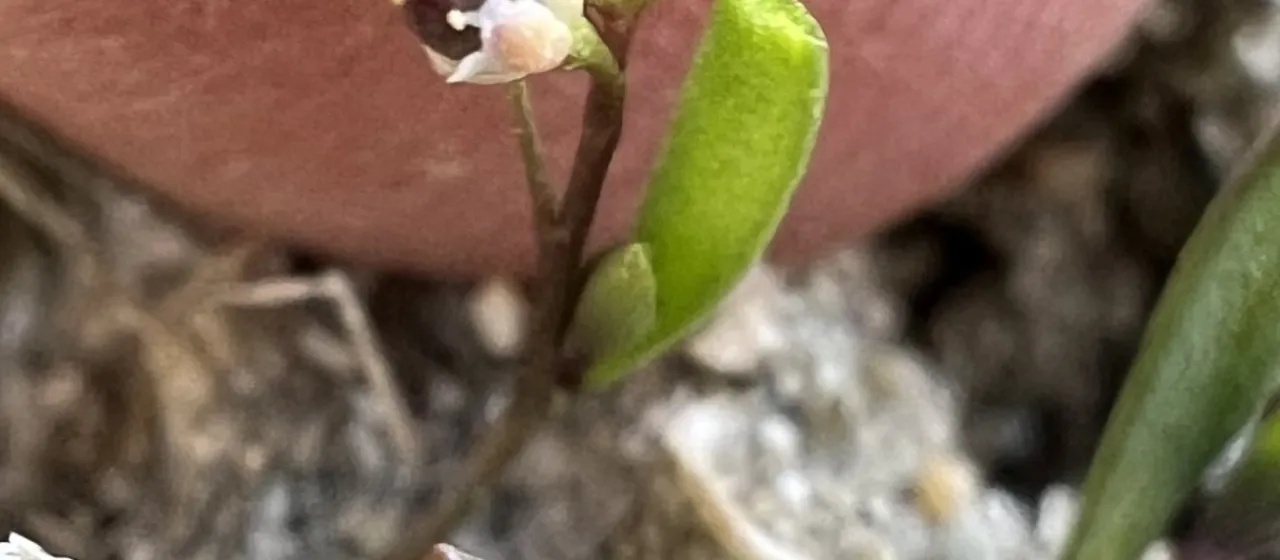
Description
Hornungia pauciflora is an herbaceous plant species belonging to the Brassicaceae family. Within agricultural practice, it is identified as a niche crop with specific environmental requirements. The plant is noted for its compact growth habit and its evolutionary adaptation to nutrient-poor, rocky substrates often found in its native European habitats.
The geographic distribution of the species is primarily centered in mountainous regions of Europe. In cultivation, it thrives in environments that mimic its natural habitat: cool temperatures, high air humidity, and well-drained, alkaline soils. It is recognized primarily by researchers and specialty nurseries for its unique physiological traits.
Botanically, the plant develops a basal rosette of leaves, followed by delicate flowering stems. The foliage exhibits the classic characteristics of the Brassicaceae family, including specialized secondary metabolites. Its root system is shallow and sensitive to waterlogged conditions, requiring careful soil management to prevent root rot and ensure nutrient uptake.
Agronomic requirements are centered on precision moisture management and controlled thermal exposure. Hornungia pauciflora prefers semi-shaded conditions and cannot withstand intense, direct solar radiation. The optimal growing substrate should be porous, with high calcium content and a neutral to slightly alkaline pH level to support healthy root development.
- Target soil pH: 7.0–8.0
- Light preference: Partial shade
- Temperature range: 15–20 Celsius
- Cultivation method: Controlled greenhouse or open field
Pest management for Hornungia pauciflora involves monitoring for common Brassicaceae threats, such as flea beetles, which can cause significant foliar damage. Disease prevention focuses on maintaining good airflow and proper drainage to avoid fungal infections. The economic utility of this species is primarily focused on niche botanical applications, ornamental horticulture, and scientific research.