
Description
Hornungia procumbens, commonly known as Hutchinsia, is an annual herbaceous plant belonging to the Brassicaceae family. In agronomy, it is often classified as a weed species that colonizes cultivated fields, particularly in early spring, utilizing the moisture available before the main crop canopy closes.
The origin of this species is tied to the Mediterranean and Eurasia, where it is native. It has a broad geographical range, extending from Western Europe through Central Asia to parts of North Africa. The plant thrives in diverse environments, ranging from sandy dunes and coastal areas to salt-affected agricultural lands where few other species can establish themselves.
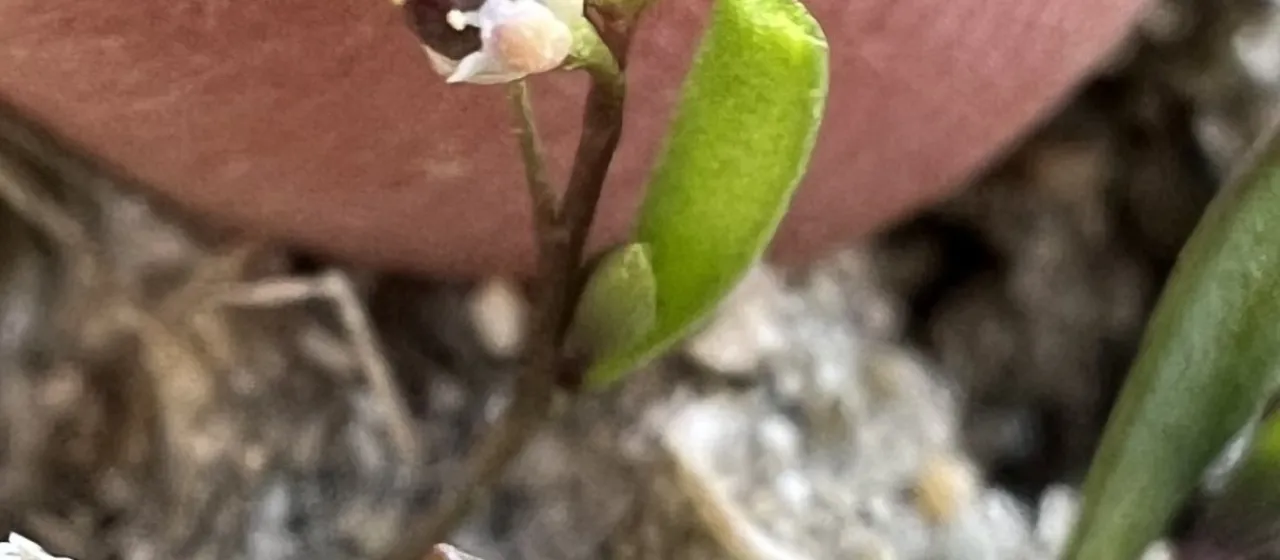
Botanically, it is a small, low-growing annual that typically reaches a height of 5 to 20 cm. Its stems can be prostrate or erect, and it features distinct pinnately lobed leaves in basal rosettes. The inflorescence consists of small white flowers arranged in racemes. The fruit is a small, multi-seeded silicle, which is responsible for the rapid spread of the species through high seed yield.
In terms of environmental requirements, Hornungia procumbens exhibits high ecological plasticity. It favors well-drained, light soils with high light availability. While it can withstand cold temperatures, it does not tolerate shading by competitive crops. The plant is primarily adapted to disturbed soils, making it a frequent colonizer of agricultural land after tillage.
From a commercial perspective, this species is not cultivated as a crop. Its agricultural importance lies in its role as a weed that requires management. Control strategies usually focus on pre-planting tillage and the use of targeted herbicides if infestation levels threaten crop development. It also serves as a potential host for various pests and diseases that affect commercial brassica crops.
Typical pests and diseases include:
- crucifer flea beetles, which damage cotyledons and leaves;
- aphids that colonize during the flowering stage;
- white blister rust, which is common in favorable moist conditions;
- clubroot disease, which can be shared with other brassica species.