
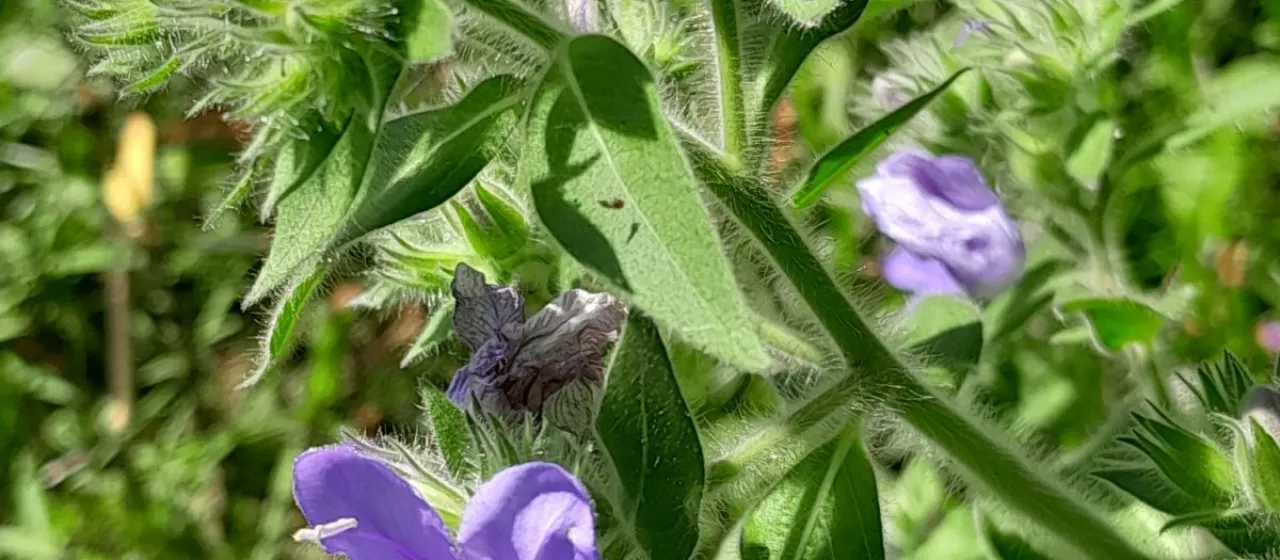
Description
Hydrolea spinosa L. is a distinct aquatic or semi-aquatic herbaceous plant belonging to the family Hydroleaceae. Naturally occurring in marshy habitats, this species is well-adapted to environments with constant water saturation, displaying robust growth patterns in tropical and subtropical climates.
Botanically, the plant is characterized by its stiff, spiny stems and lanceolate foliage. Its most notable feature is the vivid, deep blue flower clusters that bloom during the active growth season. These flowers are highly attractive to pollinators, though the plant primarily propagates through its spreading rhizomes and seeds in its native environment.
The native range of Hydrolea spinosa spans from Mexico through Central and South America. For optimal cultivation, it requires moist to waterlogged soil conditions and high light intensity. It thrives in loamy or clay-heavy substrates that are rich in nutrients, typically found along the edges of permanent water bodies or drainage canals.
In terms of agricultural and horticultural use, it is prized as a decorative element for water gardens and ponds. It serves a functional role in bioretention and erosion control, as its root system helps bind loose, water-saturated soils. While not a primary food crop, its ecological utility in water management is highly regarded in specific regions.
Cultivation challenges include the potential for fungal pathogens during periods of stagnant water with poor aeration. Common pests include various aquatic insects and mollusks that feed on the soft tissue of the leaves. Maintaining clear, oxygenated water and preventing overcrowding are essential cultural practices for ensuring the longevity of Hydrolea spinosa.