
Description
Hydrolea zeylanica is a distinctive herbaceous plant belonging to the family Hydrophyllaceae. As a semi-aquatic plant, it is uniquely adapted to thrive in wetland ecosystems, marshy areas, and irrigation systems, where its growth habit mirrors that of many specialized aquatic crops.
The native range of this species extends across the tropical regions of Asia, including India, Sri Lanka, Southeast Asia, and parts of Australia. It is highly adapted to tropical climates and thrives in environments where seasonal flooding is common, often establishing itself along the margins of rice paddies and shallow water bodies.
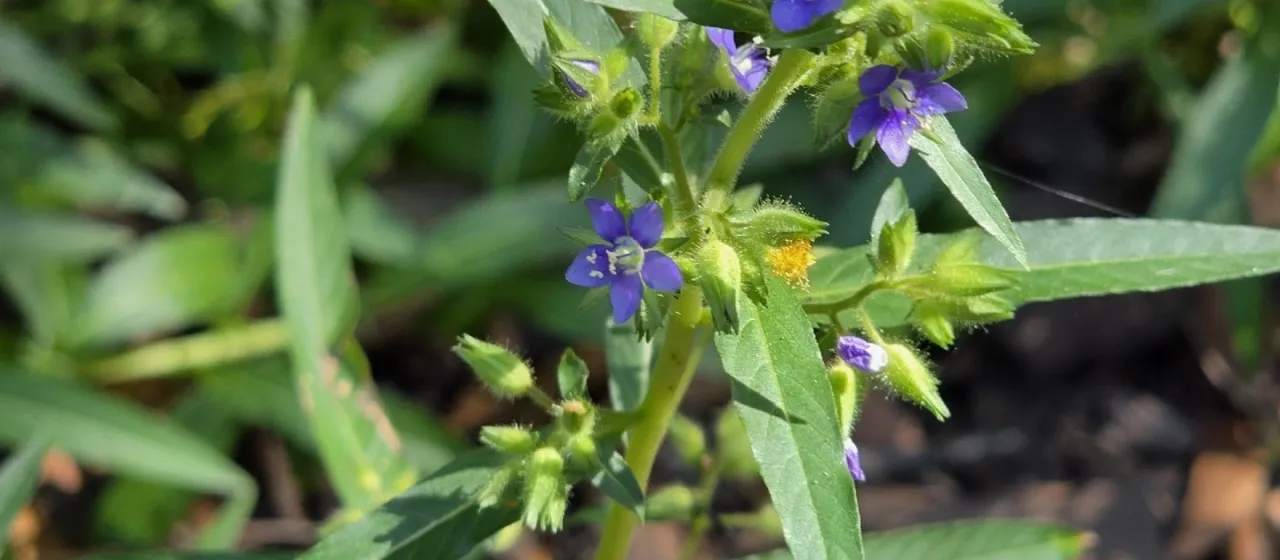
Botanically, the plant is characterized by its branching stems and alternate, lanceolate leaves. One of its most striking features is the production of vibrant blue, five-petaled flowers that provide a significant aesthetic appeal. The root system is relatively shallow, designed to extract nutrients directly from saturated soils or water columns.
Agronomic requirements are centered on maintaining adequate soil moisture and high light availability. The plant prefers rich, loamy, or alluvial soils with a neutral pH. In an agricultural setting, irrigation management is critical; the crop requires consistently wet conditions but also benefits from adequate drainage to prevent toxic chemical buildup in the root zone during prolonged stagnant periods.
The economic and practical utility of Hydrolea zeylanica includes its use in traditional pharmacopoeia as an anti-inflammatory and antiseptic agent. Additionally, its young leaves are utilized in certain culinary traditions after thorough processing. Producers should watch for common pests such as aphids and fungal pathogens, which can be mitigated through proper spacing and regular monitoring of plant vigor.