
Description
Virginia waterleaf (Hydrophyllum virginianum) is a herbaceous perennial plant belonging to the Boraginaceae family. As a crop in specific agricultural niches, it is highly valued for its role as a shade-tolerant ground cover that contributes to the biodiversity of woodland-style gardening and ecological farming systems.
Native to North America, the plant is naturally distributed throughout moist deciduous forests and riverbanks. In terms of cultivation, it is widely adapted to temperate climate zones where it thrives under the canopy of trees, utilizing early spring light before the forest canopy fully develops, thus showing high resilience to cold and seasonal shifts.
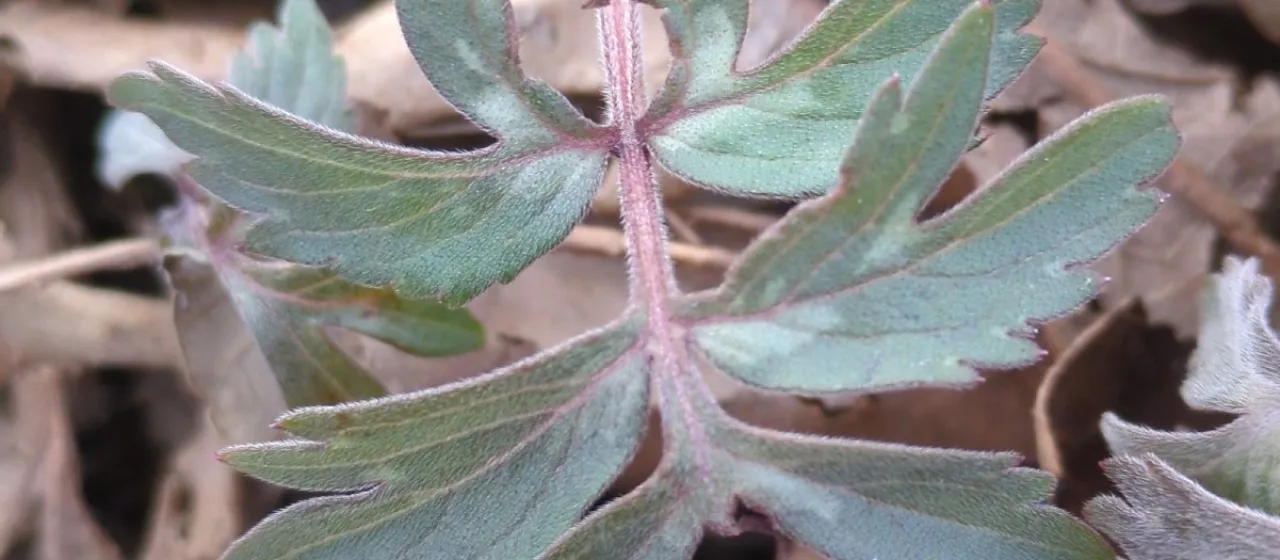
Botanically, Hydrophyllum virginianum is distinguished by its compound, pinnately divided leaves that often feature pale spots. It produces clusters of white or lavender bell-shaped flowers on slender stalks. The plant spreads via vigorous rhizomes, allowing it to form dense colonies that protect the soil from erosion in shaded environments.
Successful cultivation requires soil rich in organic matter, consistently moist but well-draining. While it does not demand heavy fertilization, providing a layer of compost or leaf mold annually helps mimic its natural habitat. The plant is sensitive to heat and dry conditions, requiring careful site selection in the landscape.
- Primary usage: valuable nectar source for bees and pollinators, ornamental woodland gardens, and naturalized erosion control.
- Pest management: generally robust, though may be susceptible to root rot in waterlogged soils and occasionally affected by slugs or powdery mildew in poor air circulation.