
Description
Hylocereus triangularis is a perennial vine-like cactus belonging to the Cactaceae family. Often recognized as a significant biological resource for tropical agriculture, this species is well-adapted to climbing, utilizing its aerial roots to anchor onto structures or natural supports. Its importance in the agricultural sector lies in its resilience and the quality of its fruit production.
Originating from the Caribbean, specifically the island of Jamaica, Hylocereus triangularis has spread to various tropical regions globally. It thrives in humid environments but has developed mechanisms to survive in fluctuating moisture conditions. Commercial cultivation is primarily focused on regions with high average annual temperatures and reliable light exposure.
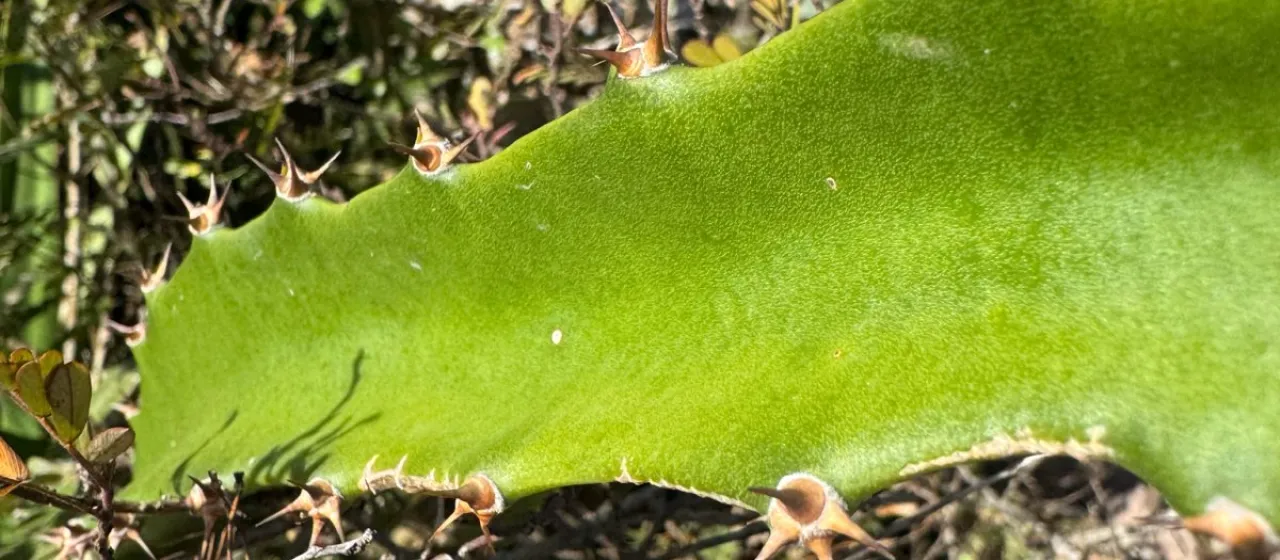
The botanical structure of the plant is defined by its triangular, succulent stems that can grow to impressive lengths. The plant produces large, showy white flowers that bloom exclusively at night. These flowers are highly specialized for nocturnal pollination. Following successful pollination, the plant develops fleshy, often edible fruits that are a major agricultural product in many tropical markets.
Agronomic requirements for this crop include well-draining, nutrient-rich soil with a slightly acidic profile. Waterlogging must be strictly avoided, as the root system is highly susceptible to decay. Implementation of trellising systems is mandatory to optimize space and ensure proper light penetration to the stems. Fertilizer management should favor organic matter and balanced potassium levels to enhance flowering and fruit development.
The primary agricultural use is the production of pitaya or dragon fruit, which is highly sought after for its nutritional properties, including antioxidants and vitamins. Additionally, the plant serves as a robust rootstock in grafting operations for various other ornamental and fruit-bearing cactus species. Its rapid growth rate makes it a highly efficient crop in intensive farming systems.
- Provision of sturdy trellises for vertical growth
- Optimal drainage management in the soil profile
- Regular pruning to maintain plant health and productivity
- Strategic nutrient application during the flowering stage
- Proactive monitoring for sap-sucking insects
The crop is occasionally susceptible to fungal diseases such as anthracnose and stem rot, particularly in conditions of high humidity and poor air circulation. Common pests include mealybugs, aphids, and spider mites, which can cause significant damage if left unchecked. Successful management requires a combination of good cultural practices, such as maintaining plant hygiene, and the targeted application of organic or chemical pest control agents.