
Description
Egyptian henbane (Hyoscyamus muticus L.) is a perennial herbaceous plant belonging to the Solanaceae family. This crop is highly valued in industrial agriculture primarily for the pharmacological industry due to its significant concentration of tropane alkaloids, which are essential for manufacturing various medicinal products.
The plant originates from the arid regions of North Africa, the Middle East, and Central Asia. Its natural habitat includes desert and semi-desert zones with sandy soils. Consequently, the commercial cultivation of this species is restricted to warm, dry climates where the plant can fully develop its potential without the risk of excessive moisture damage.
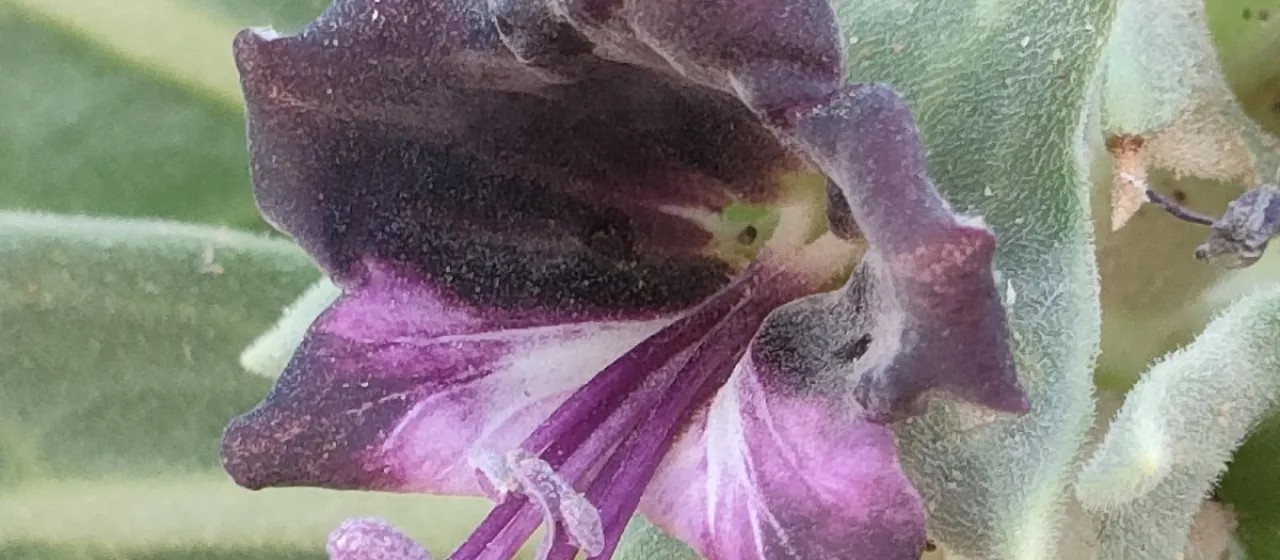
Botanically, Egyptian henbane features a sturdy, branching stem that can reach significant heights. Its root system is deep-reaching and well-adapted to extracting water from dry soils. The leaves are alternate and often leathery, while the flowers possess a distinct structure typical for the genus, attracting specific pollinators adapted to arid environments.
Regarding agrotechnical requirements, the crop thrives in well-drained, sandy, or light loam soils with excellent aeration. Excessive irrigation or heavy soil types are detrimental to the plant's health. Cultivation practices should focus on maintaining optimal spacing to ensure adequate light penetration and minimizing weed competition during the early vegetative stages.
The primary use of the plant is in the extraction of raw materials for medicine, particularly for creating antispasmodic and anticholinergic drugs. Common pests that pose a threat to the crop include aphids, various beetle species, and leaf-mining insects. Farmers must also monitor for fungal diseases such as root rot, which typically appear if soil moisture levels are not strictly managed.