
Description
Black Henbane (Hyoscyamus niger L.) is a significant medicinal crop belonging to the Solanaceae family. Historically utilized for its sedative and antispasmodic properties, it is systematically cultivated for the extraction of tropane alkaloids, including hyoscyamine and scopolamine, which serve as essential raw materials for the pharmaceutical industry.
Native to Europe, Asia, and North Africa, Henbane has established itself globally. While often considered a weed in abandoned fields, its intentional cultivation requires precise agronomic practices to ensure high alkaloid concentration in the leaves and seeds. It thrives best in temperate climates with moderate rainfall and optimal sunlight exposure during the vegetative growth stages.
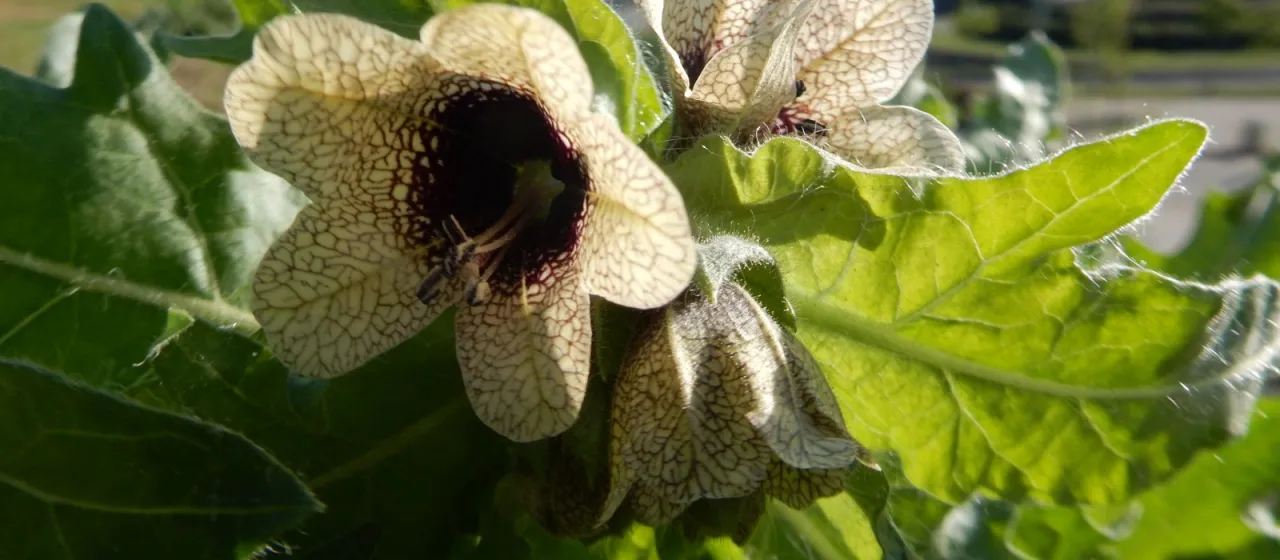
Botanically, it is typically a biennial plant. In the first year, it develops a robust rosette of basal leaves. In the second year, the plant transitions to a reproductive phase, producing tall, branched stems with distinctive funnel-shaped yellow flowers marked with dark purple veins. The fruit is a persistent capsule, often referred to as a pyxidium, containing numerous small seeds.
Successful cultivation requires well-drained, fertile soil, ideally sandy loam or loamy soil with neutral pH. The crop demands careful attention to soil preparation, including deep tilling and balanced fertilization. Weed management is critical, particularly during the first year, to prevent competition that could stunt rosette development and reduce overall yield quality.
Due to its high toxicity, Black Henbane is not suitable for general farming and is restricted to specialized production under strict regulations. Common phytosanitary threats include fungal diseases like powdery mildew and various aphids or beetles that typically affect Solanaceae. Growers must employ integrated pest management (IPM) strategies to ensure the safety and efficacy of the medicinal extract while minimizing chemical residues.