
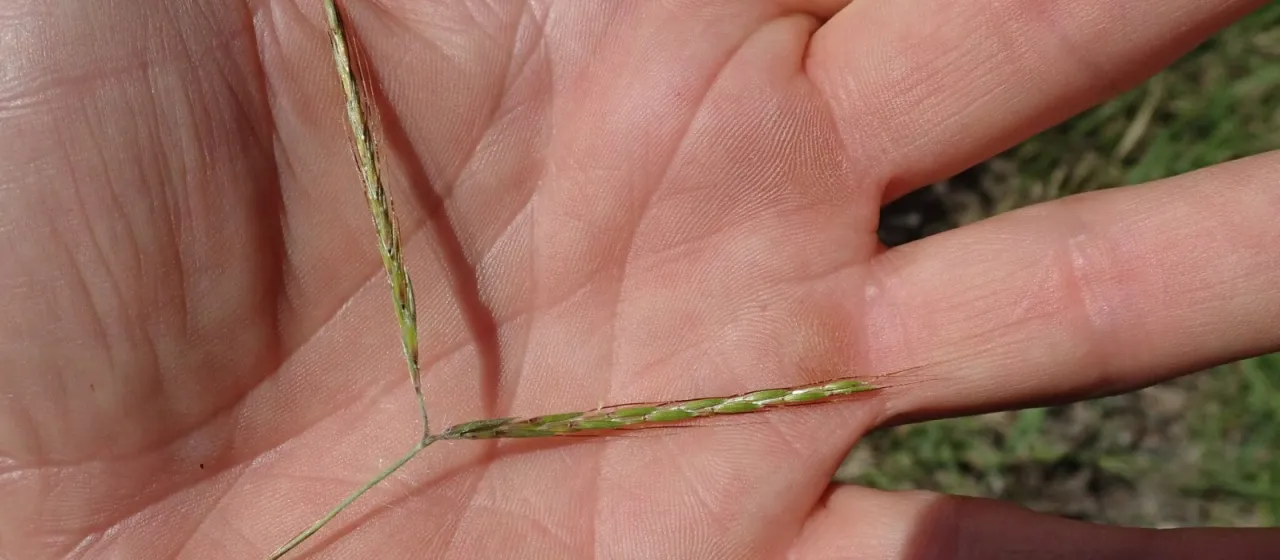
Description
Hyparrhenia hirta, commonly known as common thatching grass, is a perennial plant belonging to the Poaceae family. This species is highly regarded in agriculture as a resilient forage crop, specifically adapted to arid and semi-arid climates. Its ability to maintain high biomass production under harsh environmental conditions makes it a valuable asset for pastoral farming systems.
The plant originates from the tropical and subtropical regions of Africa and has naturalized across the Mediterranean basin and parts of Asia. It thrives in open, sunny environments and is frequently found on rocky hillsides and degraded grasslands. Its wide distribution is testament to its ecological plasticity and successful adaptation to varying soil types and climate regimes.
Botanically, this grass grows in dense tufts and typically reaches heights between 50 and 120 centimeters. The leaves are narrow and often exhibit pubescence, which acts as a physiological adaptation to reduce water loss. The root system is notably deep, allowing the plant to tap into subsurface moisture reserves, which is critical for its survival during long, dry summers where other forage species would perish.
Agricultural requirements for Hyparrhenia hirta are relatively modest. It performs best in well-drained soils, ranging from sandy textures to rocky substrates. Proper agronomy involves ensuring sufficient space between plants to allow for vigorous tillering. While the crop is hardy, management practices such as controlled grazing or strategic mowing are essential to maintain the nutritional quality of the forage.
The primary use of this crop is for livestock grazing and hay production, especially in regions with limited rainfall. Regarding crop protection, growers should monitor for common cereal pests and fungal pathogens, particularly during periods of high humidity. Effective management of the pasture environment helps to minimize the risk of disease and ensures the longevity of the grass stand.