
Description
Jaragua grass (Hyparrhenia rufa) is a perennial grass species belonging to the Poaceae family. It is widely recognized as one of the most productive forage grasses in tropical and subtropical agriculture, known for its ability to produce substantial biomass under varying environmental conditions.
Originating from Africa, this species has become naturalized and widely cultivated in many parts of Latin America and other tropical regions. It thrives in savannah environments, displaying high adaptability to diverse ecological zones ranging from coastal areas to inland plateaus.
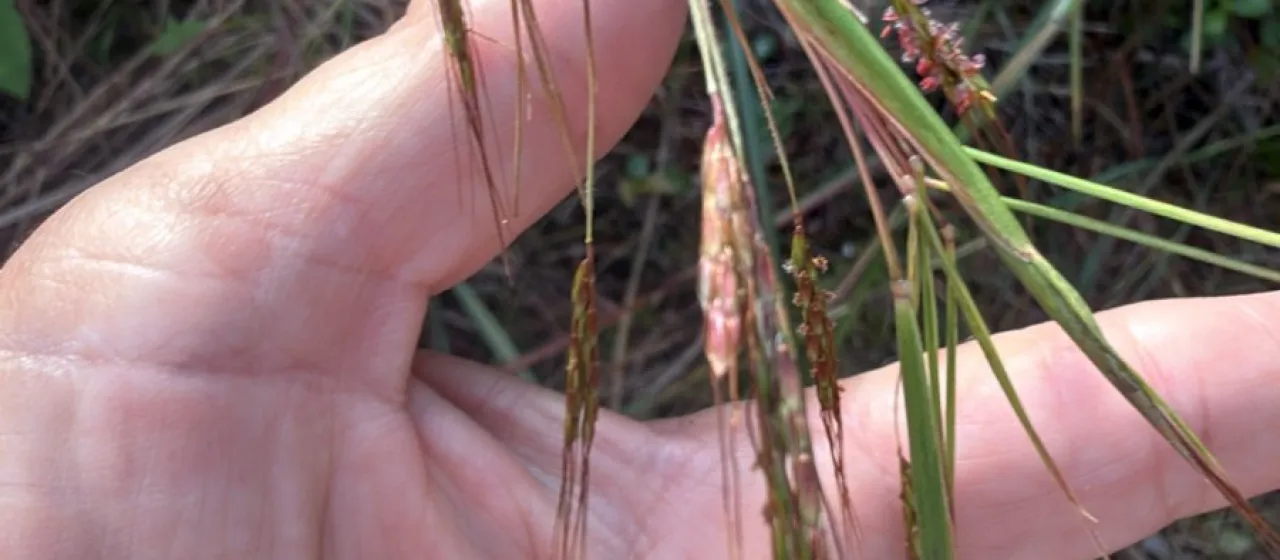
Botanically, it is a tall-growing bunchgrass that can reach heights of up to 3 meters. The inflorescences are characterized by their distinctive reddish, drooping racemes, which provide the plant with its common name. The root system is robust, providing excellent resilience against short-term moisture stress.
In terms of agronomy, Jaragua grass prefers well-drained soils but is notably tolerant of acidic, nutrient-poor conditions. Successful management requires frequent cutting or grazing; if left to mature, the nutritional value decreases significantly as fiber content increases and protein levels drop.
The primary use of this crop is for livestock grazing and fodder production, including hay and silage. It is also valued for its role in soil conservation, effectively protecting land from water erosion. While relatively hardy, the plant can be susceptible to fungal leaf spots in humid conditions and may host specific insect pests common to tropical grasslands.