
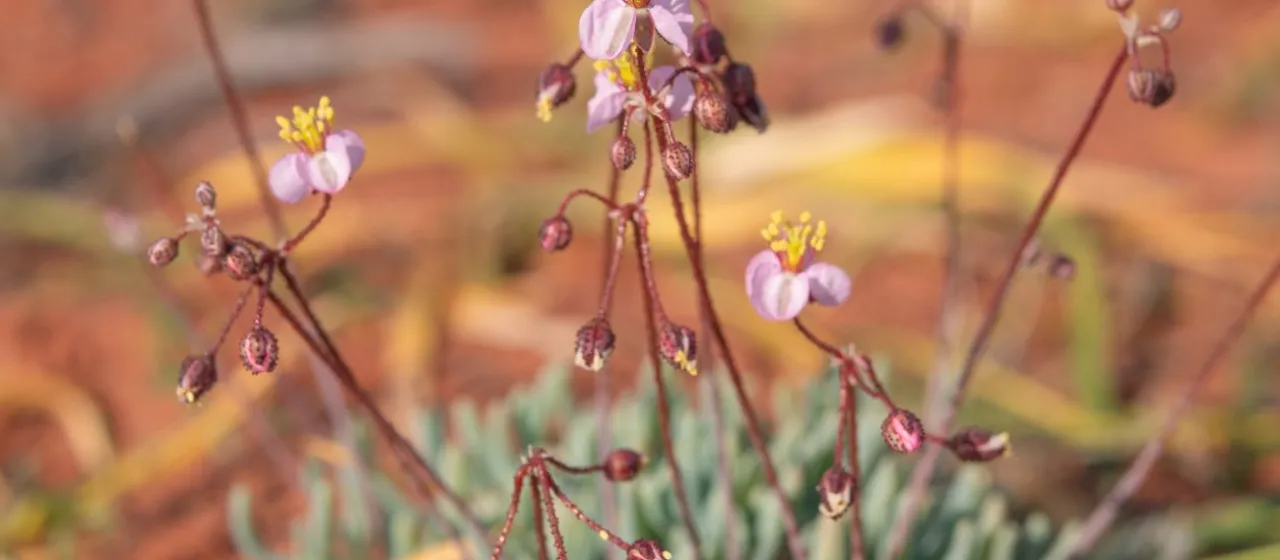
Description
Hypertelis salsoloides is a resilient plant species belonging to the Molluginaceae family. It is recognized for its ability to thrive in harsh, arid environments, functioning as a succulent that balances structural strength with efficient water storage capabilities within its fleshy leaves.
The plant originates from Southern Africa, where it has evolved to occupy niches in sandy and stony landscapes. Its natural habitat includes regions characterized by intense heat and unpredictable rainfall, forcing the plant to develop drought-resistant physiological traits that are typical for the flora of this region.
Botanically, the species is defined by its low-growing, compact stature and a complex, deep root system. The foliage is thick and adapted to minimize moisture loss through photosynthesis. Small, inconspicuous flowers appear during the growth phase, contributing to the plant's overall modest aesthetic and functional design.
Cultivation requirements for this species are strict, focusing on preventing root rot. The soil must be exceptionally well-drained, ideally consisting of a sandy loam mix. It requires high light intensity to maintain its natural growth habit. Over-watering is the primary threat, as this plant is physiologically optimized for survival in extremely dry conditions.
- Requires full sun exposure throughout the day.
- Prefers inorganic, low-nutrient substrates.
- Minimal fertilization needed.
- Requires a distinct dormancy period with very low humidity.
While not a major commercial agricultural crop, Hypertelis salsoloides serves as an important subject for ecological studies regarding plant resilience. There are no major pests identified, although monitoring for fungal growth in humid climates remains a standard practice for maintaining the health of the plant in specialized collections.