
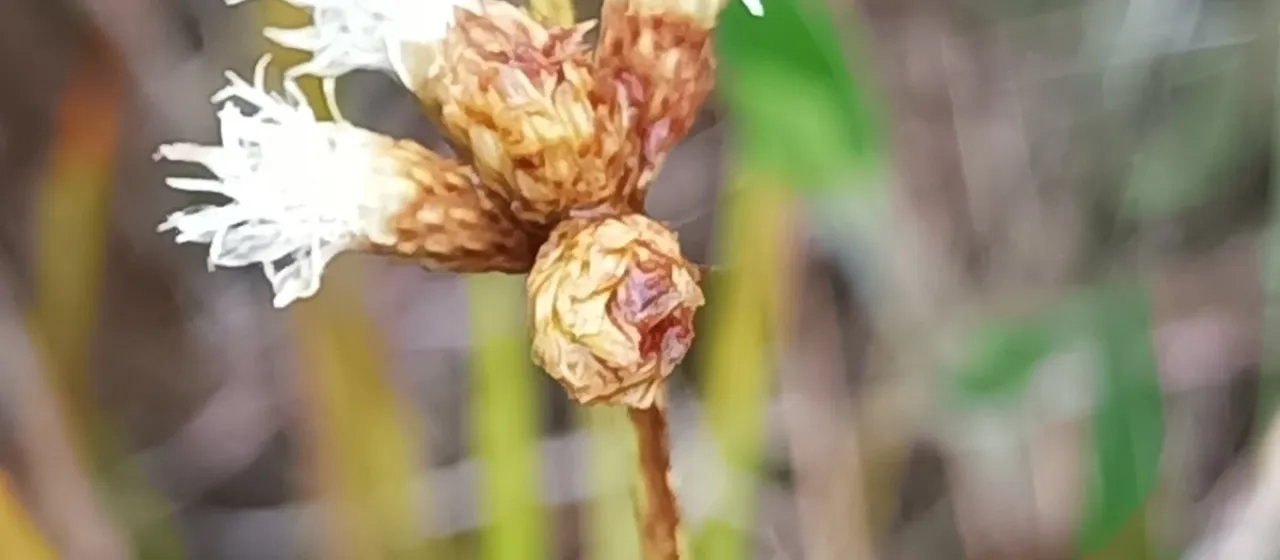
Description
Hypolytrum pulchrum is a perennial herb belonging to the Cyperaceae family. This species is recognized for its elegant foliage and unique inflorescence structures, which are typical of many high-moisture-loving sedges. While it remains a niche crop in most agricultural contexts, its biological diversity makes it a subject of interest in specialized horticulture and tropical botanical research.
The plant originates from tropical regions, with its primary distribution centered in Southeast Asia. Hypolytrum pulchrum naturally thrives in swampy areas, wetlands, and near tropical water bodies. This native environment dictates the plant's physiological requirements, such as a constant supply of water and a specific, nutrient-rich soil structure, allowing it to flourish where other crops would suffer from root suffocation.
Morphologically, Hypolytrum pulchrum is defined by its robust root system and tufted growth habit. The leaves are typically long, linear, and grass-like, radiating from the base of the plant. The flowers are arranged in complex, dense spikelets, which are the distinguishing taxonomic feature of this genus. This structural density allows the plant to form effective ground cover in its natural habitat.
Cultivation requires strict adherence to tropical conditions. It performs best in substrates that mimic forest floor humus or wetland soils, characterized by high organic content and acidity. Temperature control is crucial; the plant does not tolerate frost or extreme dry heat. Providing a stable, high-humidity environment is the most important factor for preventing leaf tip browning and maintaining aesthetic vigor.
Economically, the plant is primarily utilized for ornamental purposes in public gardens and as a specimen for scientific conservation. While not a conventional food crop, it plays a vital role in wetland ecosystems by stabilizing sediment and providing habitat for microfauna. For specialized growers, it represents a unique opportunity to cultivate rare, bio-diverse specimens that require specific microclimatic conditions.
- Light requirement: Partial shade or filtered light.
- Humidity: Requires consistently high levels.
- Watering: Must keep the root zone constantly moist.
- Propagation: Primarily via division of the rhizomes.
- Pest management: Monitor for aphids and spider mites during low-ventilation periods.