
Description
Ibicella lutea, known commonly as the yellow devil's claw, is an intriguing annual plant belonging to the Martyniaceae family. The plant is best known for its peculiar, hook-shaped fruits that become woody and sharp as they mature, which serves as an effective mechanism for seed dispersal by clinging to animal fur.
Native to South America, specifically Argentina and surrounding regions, the plant thrives in warm, sun-drenched environments. As an agricultural crop, it is generally grown in warm temperate to tropical climates, requiring a long growing season to reach fruit maturity, which is the stage most valued for culinary purposes.
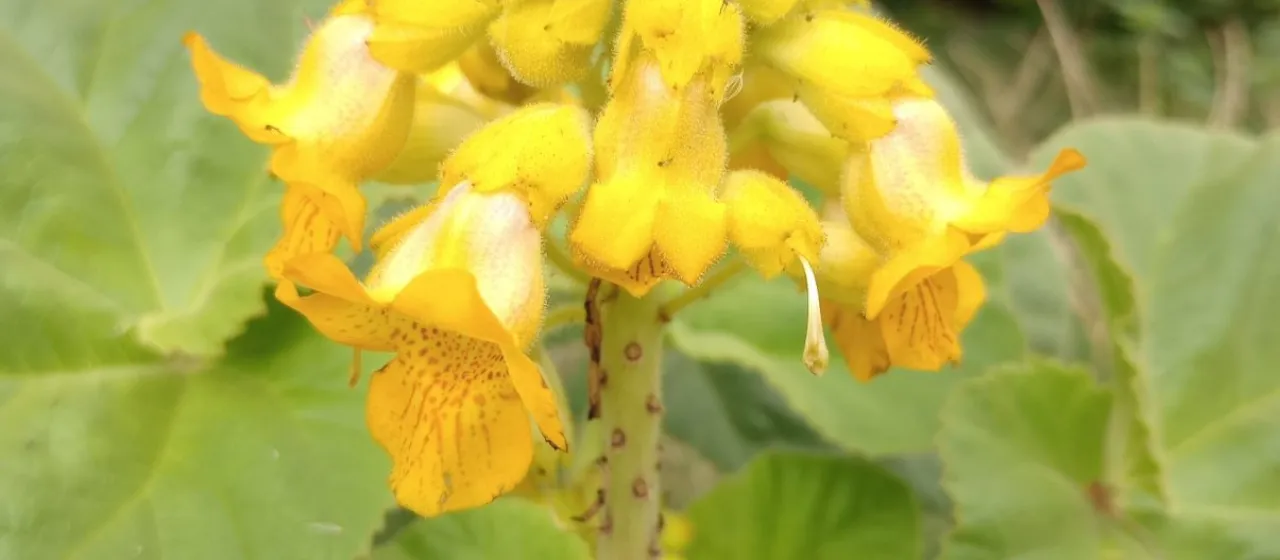
Botanically, the plant is characterized by large, sticky, pubescent leaves and vibrant yellow, bell-shaped flowers with internal markings. It exhibits protocarnivorous traits, meaning it can trap and digest small insects via its glandular hairs, although it relies primarily on conventional root uptake for nutrient absorption.
For optimal growth, the crop requires well-draining, nutrient-rich soil and full sun exposure. Since it is highly sensitive to frost, starting seeds indoors 6 to 8 weeks before the last frost date is recommended. The plant demands consistent moisture during its vegetative phase, but excess water during flowering must be avoided to prevent root rot.
The primary agricultural use of Ibicella lutea is the harvesting of young, tender fruits, which are processed as pickles, similar to okra or capers. If left to mature, the fruits harden into woody structures that are popular in dried flower arrangements. While generally hardy, growers should monitor for aphids and spider mites, which can be significant pests in protected cultivation.