
Description
Ilysanthes hyssopioides is a herbaceous plant belonging to the Scrophulariaceae family. In modern botanical taxonomy, this species is frequently classified under the genus Lindernia, which is an essential distinction for researchers and botanists identifying this specific flora.
The plant originates from regions of South and Southeast Asia. It is naturally adapted to wetland environments, including riverbanks, swamps, and flooded agricultural lands such as rice paddies. Its biological cycle is deeply connected to high humidity and stable water availability.
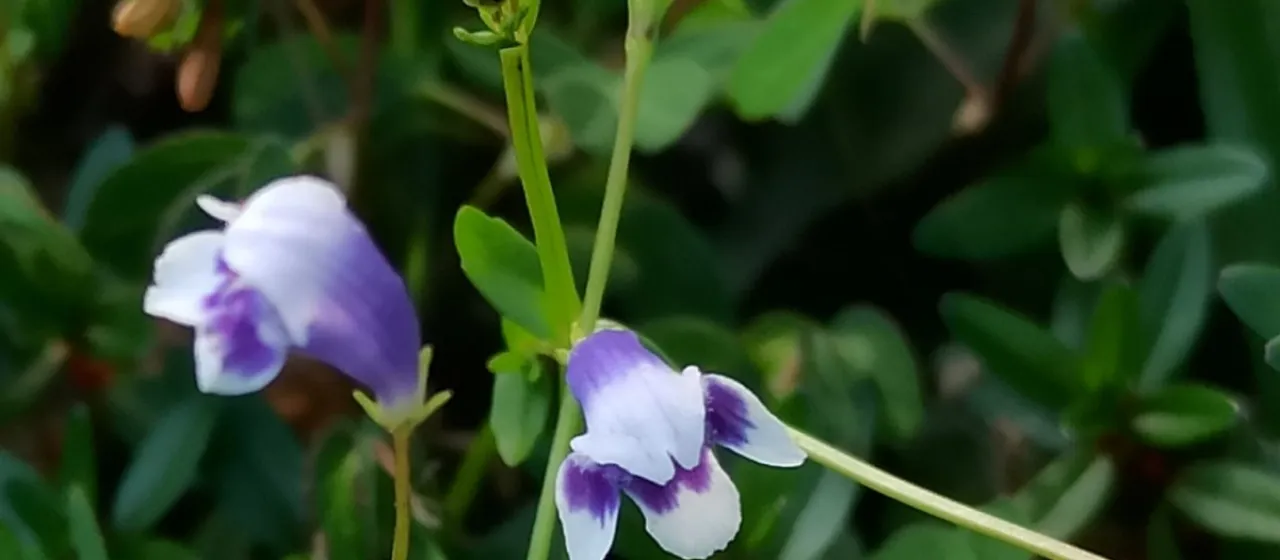
Botanically, it is characterized by its compact size, upright stems, and opposite lanceolate leaves. The flowers are typically solitary, situated in the leaf axils, displaying the classic floral architecture of the Scrophulariaceae family, which makes them quite appealing for specialized botanical collections.
Successful cultivation requires replicating its natural humid habitat. Agronomical practices must focus on keeping the substrate consistently moist or saturated, as the plant lacks drought-tolerance mechanisms. It thrives in nutrient-rich, silty soils that provide good aeration without drying out completely.
- Strict requirement for high soil moisture levels.
- Optimal growth in well-lit, humid environments.
- Sensitivity to sudden changes in air temperature.
The main use of Ilysanthes hyssopioides is ornamental, particularly within the fields of aquascaping, terrarium hobbyists, and greenhouse cultivation. While it can be considered a weed in some natural rice-growing ecosystems, its delicate structure makes it a valued specimen for aquatic and moisture-loving plant enthusiasts.