
Description
Ilysanthes parviflora is an aquatic herbaceous plant belonging to the Linderniaceae family. Although often associated with ornamental horticulture, it represents an interesting subject for studies in aquatic botany due to its high phenotypic plasticity, allowing it to transition between submerged and emergent growth forms depending on environmental moisture levels.
The species is native to tropical regions of Africa and Asia, where it typically inhabits wetlands, riverbanks, and marshy ecosystems. It thrives in humid conditions and is often found in areas that undergo seasonal flooding, making it a highly resilient species capable of handling fluctuating nutrient levels and variable water depths in its natural habitat.
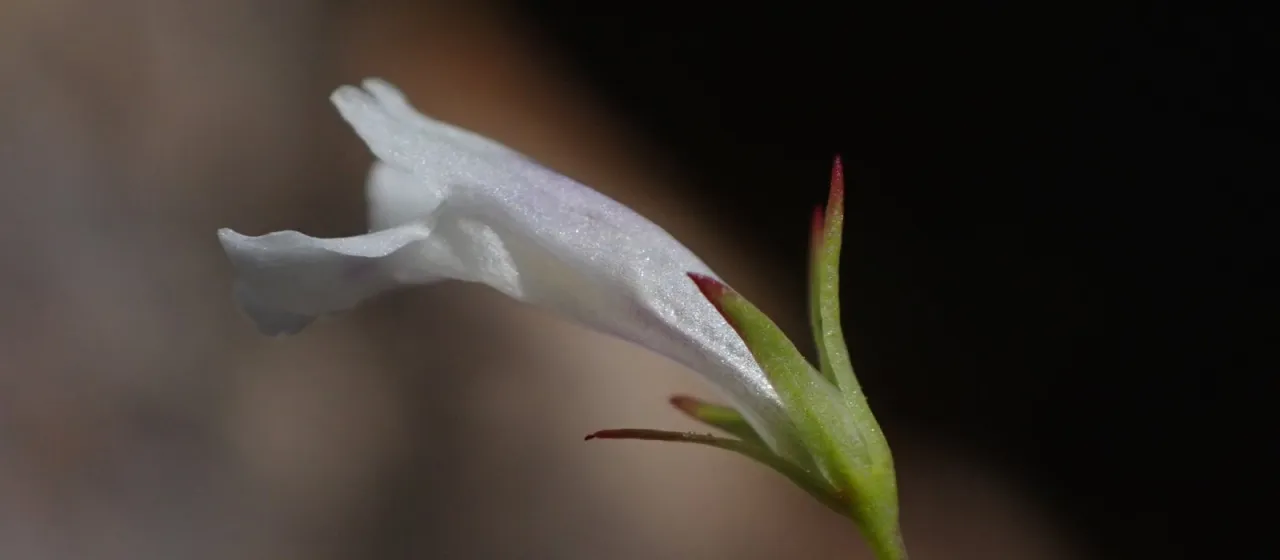
Botanically, the plant is characterized by its slender, upright stems and lanceolate, opposite leaves that develop in a regular pattern. The small, inconspicuous flowers are a key diagnostic feature, typically appearing in leaf axils. The root system is relatively delicate, designed for anchorage in nutrient-rich silt or sandy river sediments rather than deep soil penetration.
Cultivation requirements for Ilysanthes parviflora are strictly defined by its aquatic nature. Successful management requires:
- Temperature stability between 22°C and 28°C;
- High-intensity lighting to prevent etiolation;
- Nutrient-rich, slightly acidic substrate;
- Consistent supplementation of CO2 and micronutrients.
In terms of economic and professional usage, the plant is primarily utilized in high-end aquarium landscaping and botanical displays. It is rarely subject to traditional agricultural pests, though it can suffer from aphid infestations in emergent forms or algal overgrowth in submerged settings. Plant pathology concerns mostly focus on nutrient deficiencies, such as iron chlorosis, which manifests as yellowing of the younger foliage.