
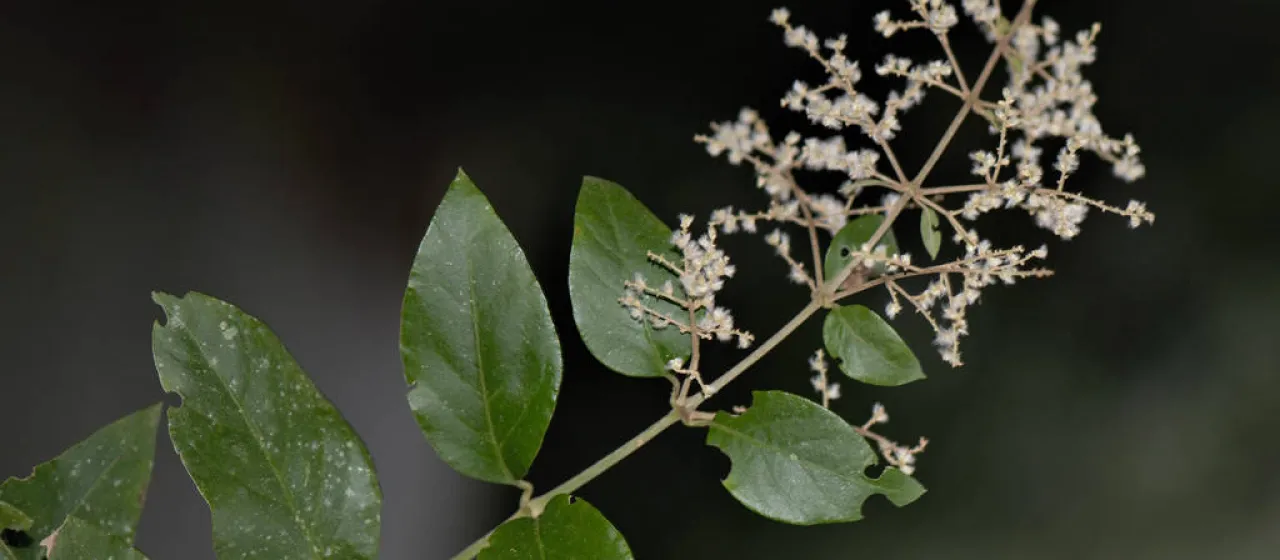
Description
Iresine argentata is a perennial herbaceous plant belonging to the Amaranthaceae family. Known for its aesthetic appeal, this species is frequently cultivated for ornamental purposes, bringing a unique texture and visual interest to both indoor and outdoor gardening environments due to its distinctive foliage characteristics.
The plant originates from the tropical and subtropical regions of Central and South America. Its natural habitat is characterized by high humidity and consistent warmth, which dictates the environmental requirements for its successful growth in controlled or open agricultural conditions. It thrives in regions where frost is absent or in protected conservatory environments.
Botanically, Iresine argentata is defined by its upright, branching stems and opposite leaves. The structural integrity of the plant allows it to form dense, bushy shapes, which are highly valued in landscaping. Its physiological adaptation to light levels allows for variations in leaf intensity, making it a dynamic component of any plant arrangement.
Cultivation requirements for this species include well-draining, nutrient-rich soil with a neutral to slightly acidic pH level. Consistent irrigation is essential to maintain turgor pressure in the stems, although care must be taken to prevent waterlogging, which can cause root asphyxiation. Adequate light exposure is critical to ensure the plant maintains its ornamental coloration.
The primary utility of the culture lies in its horticultural applications, including:
- Designing decorative borders and intricate flower bed patterns.
- Serving as a focal point in indoor atriums and greenhouses.
- Use as a pot plant for patio and balcony embellishment.
Regarding health management, the crop is susceptible to common pests such as aphids, spider mites, and mealybugs, which thrive in indoor environments with poor airflow. Disease prevention, specifically against fungal leaf spots and root rots, is best achieved by regulating moisture levels and implementing appropriate horticultural sanitation practices to ensure optimal plant vigor.