
Description
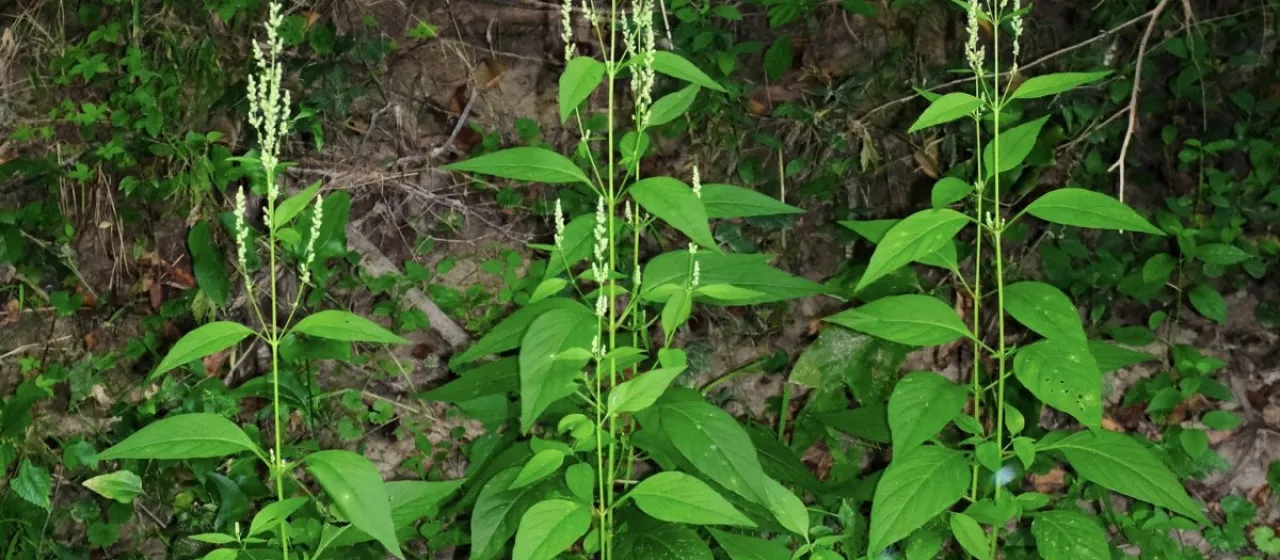
Iresine rhizomatosa is a perennial herbaceous plant belonging to the Amaranthaceae family. Primarily utilized in ornamental horticulture, this species is noted for its rapid vegetative growth and distinctive foliage. As the specific epithet implies, the plant is characterized by a significant rhizomatous root system, which facilitates both perennial survival in favorable climates and asexual propagation.
Native to the North American continent, specifically the eastern and central regions, the species naturally thrives in moist environments, such as floodplains and woodland clearings. This evolutionary background dictates its agricultural requirements: it favors stable moisture levels and organic-rich soils. In a horticultural setting, it is often employed as a bedding plant or a striking specimen for shade or part-shade gardens.
Botanically, Iresine rhizomatosa presents with upright, sometimes succulent stems and opposite leaves. The foliage can display a range of colors, which makes it highly desirable for landscape contrast. Its ability to spread via underground rhizomes allows the plant to form dense, vigorous clumps, provided the growth conditions are consistent with its native habitat requirements.
Successful cultivation requires well-drained, fertile soil with a slightly acidic to neutral pH. Proper irrigation is critical; the plant lacks drought tolerance and will suffer immediate physiological stress if the root zone dries out. While it prefers warmth, excessive heat coupled with low humidity should be avoided. A regimen of balanced liquid fertilizers applied during the growing season supports the maintenance of leaf color and overall plant vigor.
Crop management should prioritize the monitoring of common plant health threats to ensure optimal aesthetic quality:
- Aphids, which typically congregate on succulent young stem tissue.
- Spider mites, common in environments with insufficient air humidity.
- Root rot pathogens, which represent the greatest threat in poorly drained soils.
- Whiteflies, which can be problematic in greenhouse cultivation settings.