
Description
Isachne debilis is a perennial grass species belonging to the diverse Poaceae family. This plant is known for its prostrate or creeping growth habit, where the stems often sprawl along the ground, allowing it to colonize damp environments effectively through nodal rooting.
The species originates from the tropical regions of Asia. Its native distribution includes humid tropical zones, where it thrives in wetlands, swampy areas, and along the margins of rivers or irrigation ditches. It is well-adapted to environments that experience frequent rainfall and sustained high humidity levels.
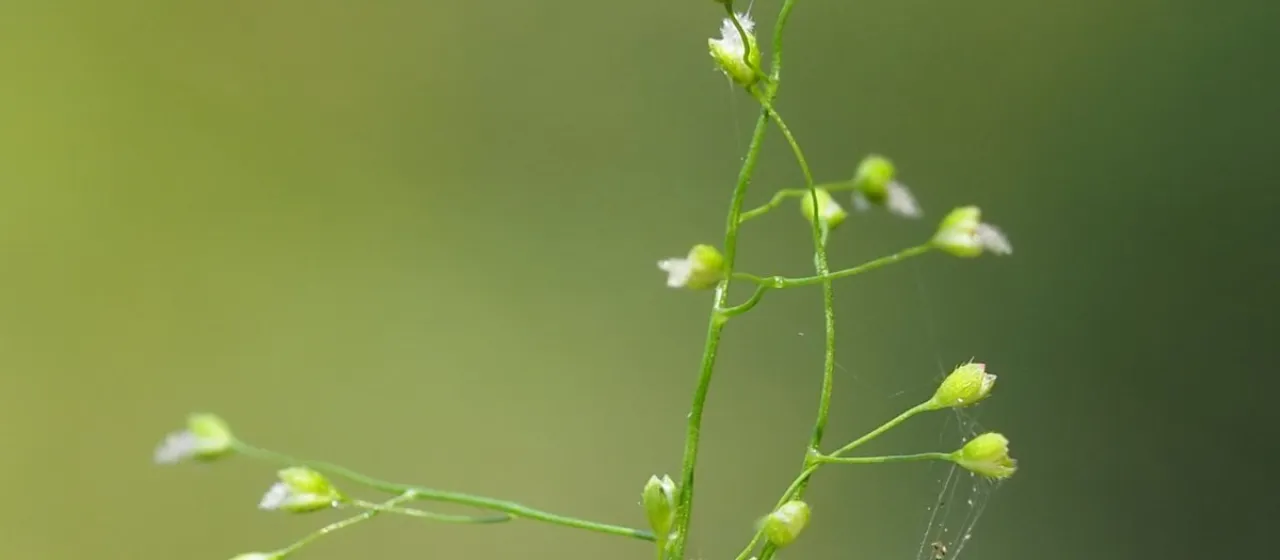
Botanically, the plant is characterized by slender stems and narrow, alternate leaves. Its inflorescence is a loose, open panicle consisting of small, spike-like structures. These traits allow the plant to achieve rapid vegetative growth and maintain a dense cover in its preferred ecological niche.
Regarding cultivation, Isachne debilis requires consistently moist, nutrient-rich soil and a warm, humid climate to reach optimal biomass production. Proper agronomy involves maintaining soil moisture and ensuring that the crop is not overshadowed by faster-growing, aggressive weed species during its early establishment phase.
In terms of хозяйственное (economic) use, the plant is primarily utilized in livestock management as a forage grass. It provides high-quality grazing material in tropical regions where other temperate grasses struggle to survive. Typical pests include various species of aphids and leaf-eating beetles, while common diseases involve fungal blights that may occur under conditions of poor soil drainage.