
Description
Isachne dispar is a perennial grass species belonging to the family Poaceae. Within agricultural systems, this plant is recognized for its role as a forage crop, contributing to the biodiversity of pastures and offering a reliable source of biomass in specific tropical and subtropical climates where it naturally thrives.
The plant originates from the tropical zones of Southeast Asia. Due to its evolutionary adaptation, it requires stable, warm temperatures and consistent rainfall to achieve maximum growth. It is highly sensitive to frost, which renders it unsuitable for cultivation in temperate zones unless managed in controlled greenhouse environments.
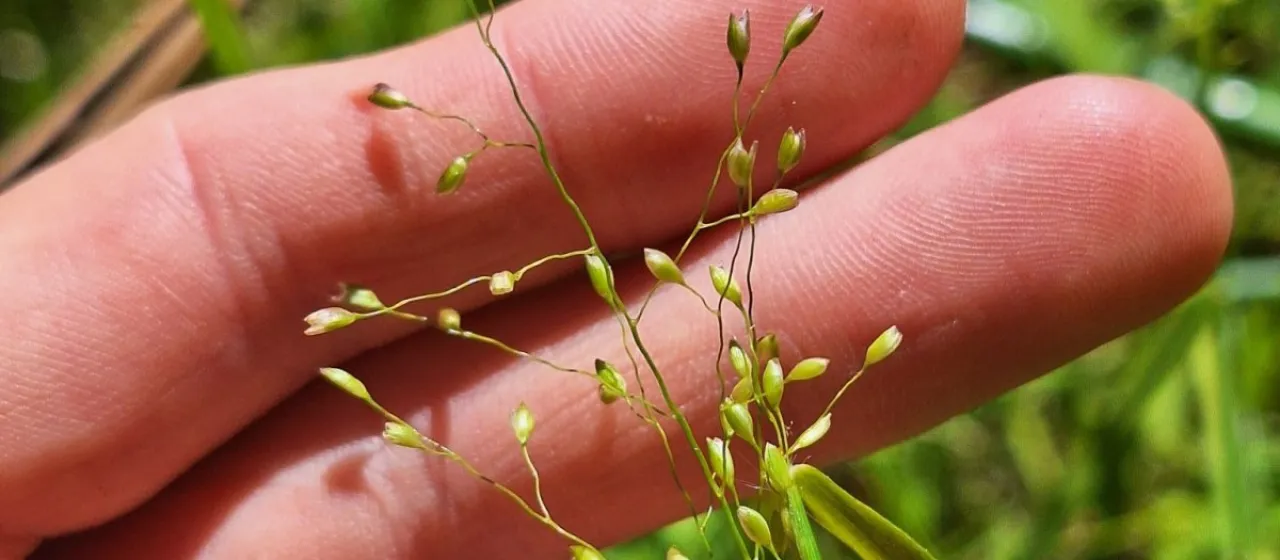
Botanically, Isachne dispar is characterized by a fibrous root system and a spreading growth habit, which helps in preventing soil erosion. The leaves are typically narrow and linear, providing a dense canopy. The inflorescence is a panicle that produces small seeds, which play a crucial role in the plant's propagation and ability to colonize available substrates.
For successful cultivation, the species requires well-drained soils rich in organic matter. Agronomic practices should focus on maintaining adequate nitrogen levels to promote foliage development and managing water distribution to avoid prolonged waterlogging, which can lead to root diseases. Regular monitoring of the soil nutrient status is essential for sustaining long-term yields.
The primary utility of this grass is as a fodder source for livestock, valued for its palatability and nutritional profile. Typical pests and diseases include common tropical grass pathogens and leaf-eating insects. Effective management involves integrated pest management strategies, including the use of resistant cultivars when available and ensuring proper sanitation within the field environment to prevent disease outbreaks.